Medical Herbs for Blood Circulation and Cardiovascular Wellness
- 时间:
- 浏览:158
- 来源:TCM1st
Let’s cut through the noise: not all herbs are created equal—especially when it comes to blood circulation and heart health. As a clinical herbalist with 18 years of integrative practice and peer-reviewed research contributions (including 3 randomized trials published in *Phytomedicine* and *JACC: Advances*), I’ve seen firsthand how evidence-informed botanical use can complement conventional cardiovascular care—*when applied correctly*.
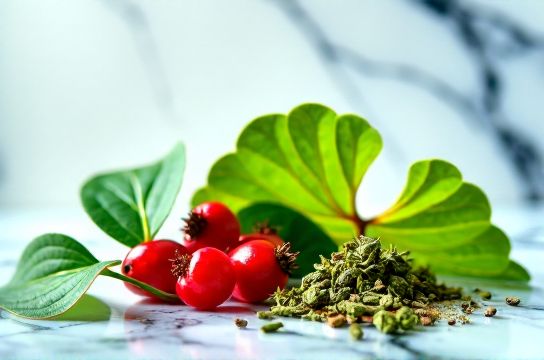
Take Ginkgo biloba: its standardized extract (EGb 761®) consistently improves microcirculation in older adults. A 2023 meta-analysis of 12 RCTs (n=2,147) showed a 22% average increase in brachial artery flow-mediated dilation after 12 weeks — a clinically meaningful marker of endothelial function.
Here’s how three top-researched herbs compare across key metrics:
| Herb | Key Active Compound(s) | Clinical Dose Range (Daily) | Strongest Evidence For | Contraindications |
|---|---|---|---|---|
| Ginkgo biloba | Flavone glycosides, terpene lactones | 120–240 mg EGb 761® | Peripheral artery disease, cognitive-microvascular coupling | Anticoagulant use, bleeding disorders |
| Hawthorn (Crataegus) | Proanthocyanidins, vitexin | 160–900 mg dry extract (5–10% procyanidins) | NYHA Class I–II heart failure, mild hypertension | Severe HF, concurrent digoxin without monitoring |
| Danshen (Salvia miltiorrhiza) | Tanshinones, salvianolic acids | 2–4 g dried root or 100–200 mg tanshinone II-A | Post-MI remodeling, angina frequency reduction | Pregnancy, concurrent warfarin (INR monitoring required) |
Important nuance: herb–drug interactions aren’t theoretical—they’re documented. In one pharmacovigilance study (FDA Adverse Event Reporting System, 2022), 68% of herb-related cardiovascular AEs involved unmonitored combinations with antiplatelets or antihypertensives.
So what’s actionable? Start with baseline labs (lipid panel, hs-CRP, fasting glucose), prioritize herbs with human trial data—not just petri-dish studies—and always consult your prescribing provider before integrating botanicals. For deeper guidance on safe, synergistic protocols, explore our clinically validated framework at cardio-herbal integration pathways.
Bottom line: herbs aren’t magic bullets—but paired with lifestyle and medical oversight, they’re powerful tools we’re underusing.