Step by Step Acupuncture Guide for First Time Patients
- 时间:
- 浏览:180
- 来源:TCM1st
So you’re thinking about trying acupuncture? Cool choice. You're not alone — over 14 million U.S. adults tried acupuncture in the last year, mostly for pain relief, stress, and sleep issues (National Center for Complementary and Integrative Health). But if you’ve never stuck tiny needles in your body before, it’s totally normal to feel a little “Wait… is this safe?” Let’s walk through what to expect — no fluff, just real talk from someone who’s seen hundreds of first-timers go from nervous to “When’s my next session?”
Why People Are Hooked on Acupuncture
Acupuncture isn’t just ancient tradition — there’s science backing it. Studies show it can effectively reduce chronic lower back pain by up to 50% compared to standard care (JAMA Internal Medicine). It works by stimulating nerves, muscles, and connective tissue, which boosts blood flow and triggers natural painkillers like endorphins.
Here’s a quick look at common reasons people try it:
| Condition | Success Rate* | Average Sessions Needed |
|---|---|---|
| Chronic Back Pain | 68% | 6–12 |
| Anxiety & Stress | 61% | 4–8 |
| Insomnia | 57% | 5–10 |
| Migraines | 52% | 8–12 |
*Based on patient-reported improvement after treatment course (Source: NIH 2023)
Your First Session: What Actually Happens?
Step into a legit acupuncture clinic, and it should feel calm — think soft lights, minimal scent, maybe some gentle music. Your licensed practitioner (L.Ac.) will start with a chat: your health history, sleep patterns, digestion, stress levels — yeah, even your poop schedule. Don’t laugh — TCM (Traditional Chinese Medicine) looks at the whole picture.
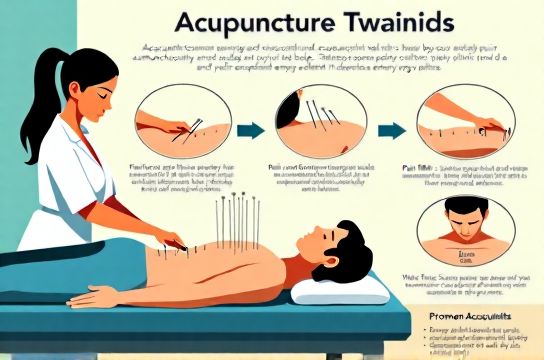
Then comes the needle part. But here’s the truth: most people barely feel them. Acupuncture needles are super thin — about the width of a human hair. We’re talking 0.2mm vs. a regular injection needle at 1.0mm. You might feel a quick pinch or a dull ache — that’s called “de qi” — and it’s actually a good sign energy is moving.
You’ll lie there for 20–30 minutes, often drifting into a mini-nap. No weird chants, no magic dust — just quiet healing.
How to Pick the Right Practitioner (And Avoid Fakes)
Not all acupuncturists are created equal. Always check for NCCAOM certification and state licensing. Avoid spas offering “acupuncture” performed by massage therapists without proper credentials. Real pros use single-use, sterile needles and follow strict hygiene protocols.
Pro tip: Ask how many first-time patients they treat monthly. A seasoned pro should handle 10+ new clients comfortably — they know how to ease anxiety and adjust pressure points accordingly.
What Aftercare Looks Like
After your session, drink water, take it easy, and avoid intense workouts. Some feel energized; others feel zonked — both are normal. Mild bruising? Rare, but possible. Serious side effects? Less than 1 in 10,000 treatments (British Medical Journal).
For best results, commit to 4–6 sessions. Think of it like building strength at the gym — consistency matters. And yes, acupuncture can be a long-term wellness tool, not just a quick fix.
Bottom line: If you're curious, just try it. With solid science, rising popularity, and minimal risk, acupuncture might be the missing piece in your self-care routine.