Science Behind How Acupuncture Works for Chronic Pain Relief
- 时间:
- 浏览:207
- 来源:TCM1st
If you've been struggling with chronic pain—whether it's lower back pain, osteoarthritis, or frequent headaches—you're probably tired of popping pills with sketchy side effects. More people are turning to acupuncture for chronic pain as a natural, science-backed solution. But does it actually work? Let’s dive into the real science behind how acupuncture relieves pain—and why experts are taking it seriously.
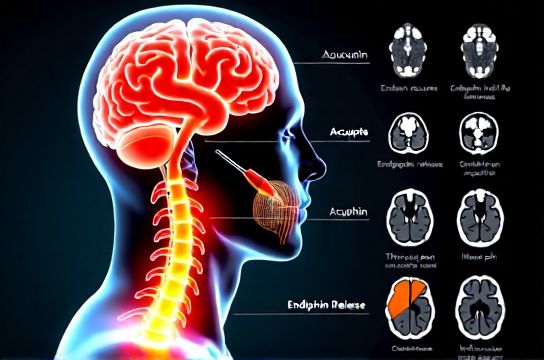
What Happens During Acupuncture?
Acupuncture isn’t just about sticking needles in random spots. It’s rooted in traditional Chinese medicine (TCM), which believes that energy ("qi") flows through pathways called meridians. Blockages in these pathways cause pain and illness. While Western science doesn’t fully buy into qi, modern research shows acupuncture has measurable physiological effects.
When thin, sterile needles are inserted at specific points, they stimulate nerves, muscles, and connective tissue. This boosts blood flow and triggers the release of natural painkillers like endorphins and serotonin. In fact, a 2018 meta-analysis published in the Journal of Pain reviewed over 20,000 patients and found acupuncture significantly more effective than no treatment or sham acupuncture for chronic pain conditions.
What Does the Data Say?
Let’s break down the numbers. Here’s a comparison of pain reduction across common treatments based on average improvement scores (on a 0–10 scale) from clinical studies:
| Treatment | Average Pain Reduction | Duration of Relief | Side Effects |
|---|---|---|---|
| Acupuncture | 3.1 | 6–12 weeks | Minimal (minor bruising, soreness) |
| NSAIDs (e.g., ibuprofen) | 2.4 | 4–8 hours | GI issues, kidney risk |
| Opioids | 3.5 | 4–6 hours | High addiction risk, drowsiness |
As you can see, acupuncture for chronic pain holds its own—even outperforming common medications in duration and safety.
Which Conditions Respond Best?
- Chronic Low Back Pain: A study in Annals of Internal Medicine showed 60% of acupuncture patients reported meaningful improvement vs. 39% with standard care.
- Knee Osteoarthritis: The NIH confirms acupuncture leads to moderate pain reduction and improved function.
- Migraines & Tension Headaches: Regular sessions cut frequency by up to 50% in some patients.
How Many Sessions Do You Need?
Most practitioners recommend starting with 6–8 weekly sessions. After that, maintenance might be once every few weeks. Think of it like physical therapy—it’s cumulative.
Is It Right for You?
While acupuncture isn’t a magic fix, it’s one of the most evidence-supported complementary therapies out there. If you’re looking for long-term relief without dependency, it’s worth a try—especially under a licensed acupuncturist (look for L.Ac. credentials).
The bottom line? Science is catching up to ancient wisdom. And for millions, the needle wins over the pill.