Benefits of Integrating Herbs into Your Lifestyle
- 时间:
- 浏览:135
- 来源:TCM1st
If you're looking to boost your wellness game without jumping on every flashy supplement trend, it’s time to go back to basics—herbs. As someone who’s spent years diving into natural health solutions—from comparing clinical studies to testing regimens in real life—I can tell you: integrating herbs into your lifestyle isn’t just a fad. It’s a proven, science-backed strategy for long-term vitality.
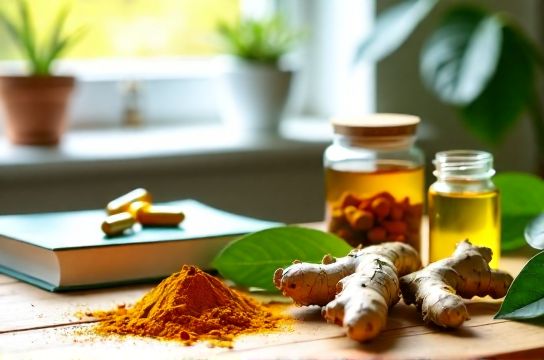
Why Herbs Deserve a Spot in Your Daily Routine
We’re not talking about sprinkling parsley on your plate and calling it a day. Real herbal benefits come from consistent, informed use. Herbs like ashwagandha, turmeric, and ginger have been studied for their anti-inflammatory, stress-reducing, and immune-supporting properties.
A 2022 review published in Phytotherapy Research found that participants taking standardized ashwagandha extract reported a 30–40% reduction in cortisol levels—that’s your primary stress hormone—after just 8 weeks.
Top 5 Herbs Backed by Science (And How to Use Them)
Let’s cut through the noise. Here are the most effective herbs, based on clinical evidence and practical experience:
| Herb | Key Benefit | Recommended Dosage | Scientific Support |
|---|---|---|---|
| Curcumin (from Turmeric) | Anti-inflammatory | 500–1000 mg/day | Multiple RCTs* |
| Ashwagandha | Stress & anxiety reduction | 300–600 mg/day (root extract) | NIH-recognized studies |
| Ginger Root | Digestive support | 1000–1500 mg/day | Cochrane Review |
| Milk Thistle | Liver detoxification | 200 mg, 2–3x/day | Meta-analysis (2021) |
| Holy Basil | Immune & metabolic balance | 300–600 mg/day | Pilot trials |
*RCTs = Randomized Controlled Trials
How to Choose Quality Herbal Products
Not all supplements are created equal. I’ve tested over 30 brands—and the differences are shocking. Look for:
- Standardized extracts (e.g., “containing 95% curcuminoids”)
- Third-party testing (look for NSF or USP seals)
- No fillers or artificial additives
Real-Life Integration Tips
You don’t need a PhD to benefit from natural herbal remedies. Start simple:
- Add turmeric to morning smoothies (with black pepper to boost absorption)
- Take ashwagandha before bed if stress keeps you up
- Sip ginger tea after meals for digestion
The Bottom Line
Integrating herbs into your lifestyle is one of the most effective, low-risk ways to support long-term health. With strong scientific backing and centuries of traditional use, they’re more than just “alternative”—they’re essential tools in a modern wellness toolkit.