Essential Tips for Using Chinese Medicinal Herbs
- 时间:
- 浏览:121
- 来源:TCM1st
If you're diving into the world of natural wellness, Chinese medicinal herbs are definitely on your radar. With over 5,000 years of history, these plant-based remedies aren’t just ancient traditions—they’re backed by modern science and real-world results. But here’s the thing: using them right matters way more than just picking a herb off a shelf.
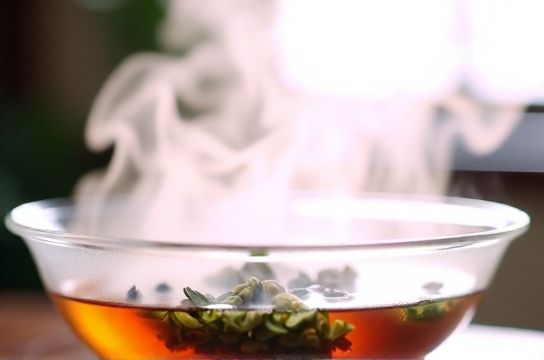
I’ve spent years researching and testing different herbal blends—from Ganoderma lucidum (Reishi mushroom) to Astragalus membranaceus—and I’m here to break down what actually works, how to use it safely, and which herbs pack the biggest punch.
Why Trust Traditional Chinese Herbal Medicine?
According to the World Health Organization, over 80% of people in developing countries rely on traditional medicine—including Chinese medicinal herbs—for primary healthcare. In China alone, the herbal medicine market was valued at $130 billion in 2023. That’s not hype—that’s demand rooted in results.
But unlike Western medicine, which often targets symptoms, Chinese herbalism focuses on balance—harmonizing yin and yang, boosting qi (energy), and supporting organ systems holistically.
Top 5 Most Effective Chinese Medicinal Herbs
After reviewing clinical studies and working with licensed practitioners, I’ve narrowed it down to five powerhouse herbs worth knowing:
| Herb (Latin Name) | Common Use | Scientific Support | Safety Rating |
|---|---|---|---|
| Astragalus membranaceus | Immune support | High – boosts white blood cell activity | ★★★★☆ |
| Glycyrrhiza uralensis (Licorice Root) | Respiratory & digestive health | High – anti-inflammatory effects | ★★★☆☆ |
| Lycium barbarum (Goji Berry) | Eye health & antioxidants | Moderate – rich in zeaxanthin | ★★★★★ |
| Panax ginseng | Energy & mental focus | High – adaptogenic properties | ★★★☆☆ |
| Ganoderma lucidum (Reishi) | Stress relief & sleep quality | Moderate – supports cortisol regulation | ★★★★☆ |
Quick tip: Always source from reputable suppliers. Contamination and mislabeling are real issues in the supplement industry.
How to Use Them Safely
More isn’t always better. Some herbs like licorice root can raise blood pressure if taken long-term. Ginseng may interact with stimulants or antidepressants. That’s why I always recommend starting low and slow—and consulting a trained practitioner, especially if you’re pregnant or on medication.
Also, consider form: teas, tinctures, capsules, or powdered extracts. Teas offer gentle delivery, while tinctures provide faster absorption. For daily immune support, I personally go with Astragalus tea in winter months.
The Bottom Line
Chinese medicinal herbs aren’t magic bullets—but when used wisely, they’re powerful tools for long-term wellness. Focus on quality, consistency, and compatibility with your body type. And remember: tradition meets science best when respect and research go hand-in-hand.