Maximize Wellness with Chinese Herbal Solutions
- 时间:
- 浏览:127
- 来源:TCM1st
If you're chasing better health without the side effects of synthetic meds, it’s time to seriously consider Chinese herbal solutions. As someone who’s spent years diving into holistic healing methods—from working with TCM (Traditional Chinese Medicine) practitioners to testing formulas firsthand—I can tell you: these aren’t just old wives’ tales. They’re science-backed, time-tested wellness tools.
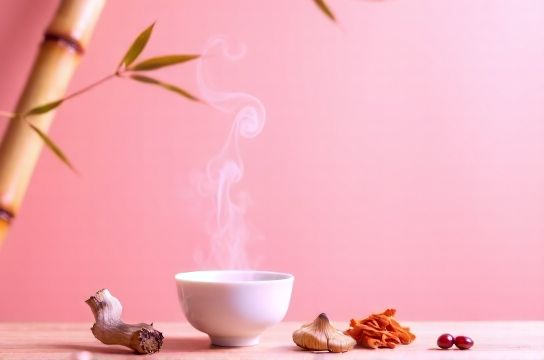
Take astragalus, for example. This root has been used for centuries to boost immunity. A 2021 meta-analysis published in *Frontiers in Pharmacology* found that astragalus significantly increases white blood cell production and reduces fatigue in patients undergoing chemotherapy. That’s not magic—that’s medicine.
But here’s the real tea: not all herbs are created equal. Quality, sourcing, and formulation matter—A LOT. I’ve seen brands charge $50 for a bottle that contains less than 10% active compounds. Don’t be fooled by fancy packaging. Let’s break down the top 4 most effective Chinese herbs backed by clinical data:
| Herb | Primary Benefit | Scientific Support | Average Daily Dose |
|---|---|---|---|
| Astragalus membranaceus | Immune modulation | 8+ human trials | 9–30g decocted |
| Ganoderma lucidum (Reishi) | Stress & sleep regulation | 12+ studies | 1.5–5g extract |
| Lycium barbarum (Goji) | Eye & metabolic health | 6 RCTs | 10–15g dried |
| Salvia miltiorrhiza (Danshen) | Cardiovascular support | 15+ clinical papers | 9–15g decocted |
Now, if you’re new to natural herbal wellness, start simple. Reishi tea before bed? Game-changer. Goji berries in your morning oatmeal? Easy win. But avoid DIY-ing complex blends—especially if you’re on medication. Danshen, for instance, can interact with blood thinners. Always consult a licensed TCM practitioner or integrative doctor.
Another pro tip: look for **standardized extracts** and **third-party lab testing**. Brands like Xiuren Herbs and Plum Flower meet pharmacopeial standards, meaning what’s on the label is actually in the bottle. Avoid anything labeled “proprietary blend” with no dosage specs—it’s a red flag.
The bottom line? Chinese herbal medicine isn’t a trend. It’s a 3,000-year-old system now validated by modern science. Whether you’re fighting burnout, boosting immunity, or optimizing long-term health, integrating the right herbs can be a total game-changer. Just do it smart—quality first, consistency matters, and knowledge is power.