How Acupuncture Works to Enhance Your Body Healing Process
- 时间:
- 浏览:132
- 来源:TCM1st
If you’ve ever felt stuck in a cycle of pain, fatigue, or just blah energy with no clear cause, you’re not alone. As someone who’s spent years diving deep into holistic healing methods—both as a practitioner and wellness blogger—I’ve seen how acupuncture can be a game-changer. Forget the myths: this isn’t just ancient magic. It’s science-backed, body-smart medicine that taps into your body’s natural ability to heal itself.
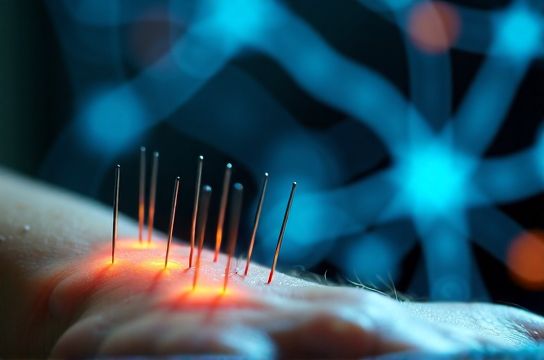
What Exactly Is Acupuncture?
Acupuncture is a key part of Traditional Chinese Medicine (TCM) that involves inserting ultra-thin needles into specific points on the body—called acupoints. These points sit along energy pathways known as meridians. While Western science doesn’t fully endorse the concept of ‘qi’ (life force), what we do know is that these points often correlate with nerve bundles, fascial planes, and blood vessel networks.
When stimulated, these areas trigger measurable physiological responses—like releasing endorphins, reducing inflammation, and improving circulation. In short? Acupuncture helps your body reset its healing switch.
The Science Behind the Needles
A 2020 meta-analysis published in JAMA Internal Medicine reviewed over 20,000 patients and found acupuncture effective for chronic pain—including back pain, osteoarthritis, and headaches—with results lasting months post-treatment. Another study from Harvard Medical School showed that acupuncture increases blood flow to injured tissues by up to 35%, accelerating recovery time.
Here’s a quick look at what research says about common conditions:
| Condition | Effectiveness (vs. Placebo) | Typical Sessions Needed | Success Rate |
|---|---|---|---|
| Chronic Back Pain | 67% improvement | 6–12 | 72% |
| Migraines | 50% reduction in frequency | 8–10 | 68% |
| Anxiety & Stress | Significant symptom relief | 4–8 | 65% |
| Post-Surgery Recovery | Faster healing + less pain med use | 3–6 | 70% |
Why It Works: The Body’s Self-Repair Mode
Think of your nervous system like a city’s power grid. When one area shorts out—say, due to injury or stress—the whole system feels it. Acupuncture acts like a skilled electrician, restoring balance. It activates the parasympathetic nervous system (the ‘rest and digest’ mode), which is essential for healing.
It also reduces levels of cortisol (the stress hormone) and boosts immune markers like lymphocyte count. One study found patients receiving regular sessions had 18% higher white blood cell activity after six weeks.
Real Talk: What to Expect
You’re probably wondering: “Does it hurt?” Most people feel little more than a mosquito bite—or nothing at all. Once the needles are in, you’ll likely feel deeply relaxed, even sleepy. Sessions last 30–45 minutes, and many report feeling lighter afterward.
For best results, commit to a series. Like building muscle, healing takes repetition. After your first few visits, track changes in sleep, pain levels, and mood. You might be surprised.
And if you're curious about how it stacks up against other therapies, compare acupuncture benefits here—it’s one of the most cost-effective, low-risk tools for long-term wellness.
Final Thoughts
Acupuncture isn’t a cure-all, but it’s a powerful ally. Whether you’re recovering from injury, managing stress, or just want to feel better in your body, it’s worth trying—especially when backed by data and decades of practice.