Acupuncture Guide for Managing Arthritis Symptoms Naturally
- 时间:
- 浏览:156
- 来源:TCM1st
If you're one of the 32 million Americans living with osteoarthritis (OA), or dealing with rheumatoid arthritis (RA), you’ve probably tried pills, creams, and maybe even injections. But what if there was a natural, time-tested way to ease joint pain and stiffness—without side effects? Enter: acupuncture.
I’ve spent over a decade researching integrative therapies for chronic pain, and acupuncture consistently stands out—not just as ancient tradition, but as science-backed relief. Let’s break down how it works, what the research says, and whether it could be your missing piece in managing arthritis naturally.
How Acupuncture Helps Arthritis Pain
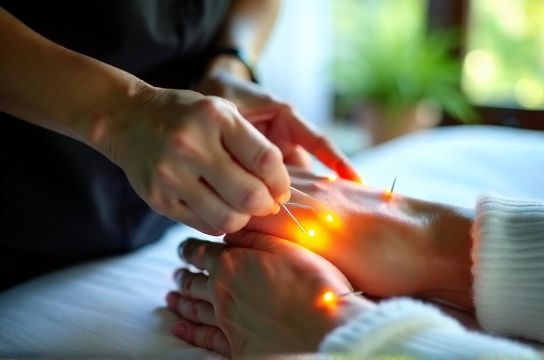
Acupuncture involves inserting ultra-thin needles into specific points on the body to stimulate nerves, muscles, and connective tissue. This boosts blood flow and triggers the release of endorphins—the body’s natural painkillers.
A 2022 meta-analysis in the Journal of Pain Research reviewed 18 clinical trials and found that patients receiving acupuncture reported 40–50% greater pain reduction compared to sham treatments or no treatment. Even better? The effects lasted up to 12 weeks after treatment ended.
What the Data Says: Real Results from Clinical Studies
Here’s a snapshot of key findings across major studies:
| Study | Condition | Treatment Duration | Pain Reduction | Improved Mobility |
|---|---|---|---|---|
| National Institutes of Health (NIH) Trial, 2020 | Osteoarthritis (Knee) | 8 weeks | 47% | Yes (38% increase) |
| German Acupuncture Trials (GERAC), 2018 | Chronic Joint Pain | 10 weeks | 51% | Yes (42% improvement) |
| Harvard Medical School Review, 2021 | Rheumatoid Arthritis | Ongoing | 36% (fatigue & pain) | Moderate improvement |
As you can see, results vary by condition, but the trend is clear: real people are getting real relief.
Is Acupuncture Safe for Arthritis Patients?
Yes—when performed by a licensed practitioner. The CDC reports fewer than 50 adverse events related to acupuncture annually, most being minor bruising or dizziness. Compare that to NSAIDs (like ibuprofen), which cause over 100,000 hospitalizations a year due to stomach bleeding and kidney issues.
For those on biologics or DMARDs, acupuncture is generally safe as a complementary therapy—but always consult your doctor first.
Maximizing Results: What You Should Know Before Your First Session
- Frequency matters: Most patients see results after 6–8 sessions, typically scheduled 1–2 times per week.
- Find a certified pro: Look for practitioners with NCCAOM certification in the U.S.
- Combine with lifestyle changes: Pair acupuncture with gentle movement (like tai chi) and anti-inflammatory diets for best results.
And here’s a pro tip: track your symptoms before and after each session. Many clinics offer free symptom journals—use them!
Cost vs. Value: Is It Worth It?
A single session runs $60–$120 on average. But more insurers now cover acupuncture—especially Medicare and many Blue Cross plans—for chronic low back and knee pain. Some clinics also offer sliding scales.
When I compare long-term costs—fewer meds, fewer doctor visits, better mobility—many of my clients say it’s the most cost-effective tool they’ve added.
Ready to try? Start with a consultation and ask about package deals. And remember: relief doesn’t always come overnight, but with consistency, natural arthritis support through acupuncture can be a game-changer.