Learn How to Choose High Quality Herbal Medicines
- 时间:
- 浏览:117
- 来源:TCM1st
Let’s be real — with the herbal supplement market booming (projected to hit $153 billion by 2028), it’s never been harder to tell which products are legit and which are just fancy sugar pills. As someone who’s spent over a decade reviewing natural health brands, I’ve seen it all: misleading labels, sketchy sourcing, and zero transparency. So if you’re serious about getting real benefits from herbal medicines, here’s your no-BS guide to picking high-quality ones.
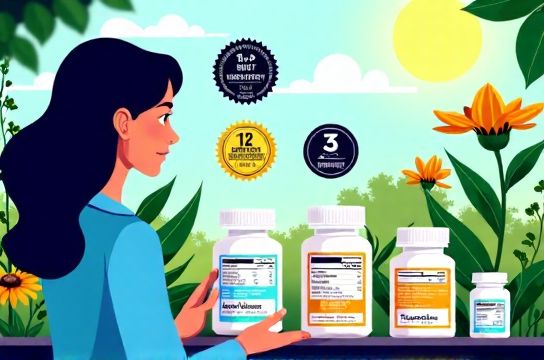
1. Look for Standardized Extracts
Not all herbs are created equal. Two bottles of ashwagandha might look the same, but one could be 5x more potent. That’s why you need standardized extracts — these guarantee a consistent amount of active compounds.
For example, a quality ashwagandha should contain at least 5% withanolides. Without standardization? You’re basically gambling.
2. Check the Source & Transparency
Where herbs are grown matters — big time. Soil quality, climate, and farming practices directly impact potency. The best brands disclose exactly where their ingredients come from.
Here’s a quick comparison of top-tier vs. low-tier sourcing:
| Factor | Premium Brands | Low-Quality Brands |
|---|---|---|
| Ingredient Origin | Known farms (e.g., India, Nepal) | "Sourced globally" (vague!)|
| Third-Party Testing | Yes (published on site) | No or hidden reports|
| Heavy Metal Screening | Routine testing | Rarely done|
| Organic Certification | USDA or EU organic | None or self-labeled
3. Avoid Fillers and Hidden Additives
Flip that label. If you see magnesium stearate, silicon dioxide, or “proprietary blends” hiding doses, run. These fillers can reduce absorption or hide under-dosed ingredients.
A clean supplement should have minimal ingredients — ideally just the herb, a capsule, and maybe rice flour as a flow agent.
4. Trust Brands with Clinical Backing
The best natural herbal remedies aren’t just traditional — they’re backed by science. Look for brands that cite clinical studies or use extracts tested in human trials.
For instance, curcumin with black pepper extract (piperine) boosts absorption by up to 2,000%. That’s not folklore — that’s peer-reviewed research.
Final Tip: Use Reputable Certifications as Shortcuts
When in doubt, check for these seals:
- GMP (Good Manufacturing Practice)
- NSF Certified for Sport
- USP Verified
These mean the product was independently tested for purity, potency, and safety.
Bottom line? Don’t settle for weak, poorly sourced herbs. Your body deserves better. With these tips, you’ll skip the junk and find supplements that actually work.