Essential Tips for Buying Chinese Medicinal Herbs
- 时间:
- 浏览:133
- 来源:TCM1st
If you're diving into the world of natural wellness, buying Chinese medicinal herbs can feel overwhelming. With so many options, claims, and sources, how do you know what’s safe, effective, and worth your money? As someone who’s spent over a decade researching herbal medicine and advising health brands, I’ve tested dozens of suppliers, reviewed clinical studies, and even visited farms in Yunnan and Shandong. Let me break it down for you—no fluff, just real talk.
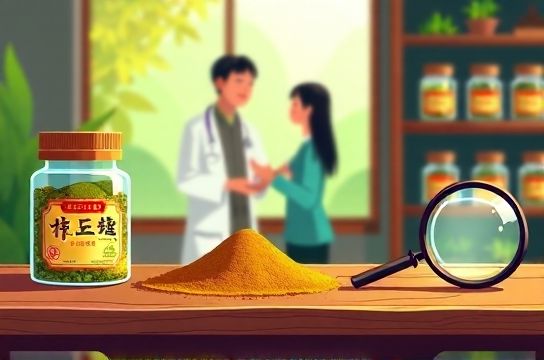
Know Your Source: Wild vs. Cultivated
Not all herbs are grown (or harvested) equal. The biggest mistake beginners make? Assuming “wild-harvested” is always better. In reality, wild herbs can be contaminated with heavy metals or overharvested to near extinction. Meanwhile, high-quality cultivated herbs from GACP (Good Agricultural and Collection Practices)-certified farms often offer more consistent potency and safety.
Here’s a quick comparison:
| Factor | Wild-Harvested | Cultivated (GACP) |
|---|---|---|
| Potency Consistency | Low | High |
| Heavy Metal Risk | Moderate–High | Low |
| Sustainability | Poor | Good |
| Price (per kg avg.) | $120–$300 | $60–$150 |
As you can see, cultivated doesn’t mean inferior. In fact, for herbs like astragalus root and goji berry, farmed versions often outperform wild ones in lab-tested polysaccharide levels—a key marker of immune-boosting power.
Decode the Labels Like a Pro
Ever seen terms like “extract ratio” or “solvent used” and just nodded along? Don’t. A 10:1 extract means it took 10 kilos of raw herb to make 1 kilo of concentrate. Higher ratios aren’t always better—they can lose volatile compounds. For daily tonics, I recommend 4:1 to 6:1 extracts made with water or ethanol (not hexane).
Also, look for third-party testing. Reputable brands publish COAs (Certificates of Analysis) showing absence of pesticides, microbes, and heavy metals. If it’s not online, don’t buy it.
Spot the Red Flags
- No Latin name listed? Big red flag. “Ephedra” could mean Ephedra sinica (regulated) or a weaker substitute.
- Too cheap? Genuine rehmannia glutinosa costs at least $45/kg dried. If it’s $10, it’s likely adulterated.
- Over-the-top claims? No herb cures cancer or diabetes outright. Be skeptical.
Final Verdict: Buy Smart, Not Fancy
You don’t need rare, imported herbs to benefit. Start with well-sourced, common ones like astragalus, rehmannia, and chrysanthemum. Prioritize transparency, test results, and ethical sourcing. And remember—consistency beats intensity. Daily use of a moderate, clean herb beats occasional splurges on questionable ‘premium’ batches.
Stay informed, stay healthy.