Top Questions Answered About Chinese Herbal Medicine Safety
- 时间:
- 浏览:117
- 来源:TCM1st
If you've ever scratched your head wondering, "Is Chinese herbal medicine safe?" — you're not alone. As a wellness blogger who’s spent years diving into holistic health trends, I’ve tested everything from Ayurveda to adaptogens. But nothing sparks more curiosity (and confusion) than traditional Chinese herbs. Let’s cut through the noise with real facts, backed by research and expert insight.
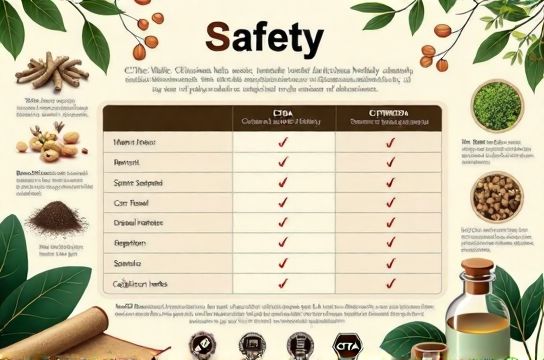
Why Trust Chinese Herbal Medicine?
With over 3,000 years of documented use, Chinese herbal medicine isn’t just ancient wisdom—it’s a system refined through generations. The World Health Organization (WHO) reports that 80% of people in developing countries rely on herbal medicine for primary healthcare. In China, TCM (Traditional Chinese Medicine) is integrated into the national health system, with over 400 hospitals dedicated solely to its practice.
But here’s the kicker: not all herbs are created equal. Quality, sourcing, and preparation make or break safety. That’s why I always recommend products certified by agencies like the China Food and Drug Administration (CFDA) or those meeting Good Manufacturing Practice (GMP) standards.
Common Safety Concerns—And What Science Says
Let’s tackle the big worries head-on:
- Heavy Metal Contamination? Some studies found trace amounts in certain imported formulas, but regulated brands test rigorously. For example, a 2022 study in the Journal of Ethnopharmacology showed only 6% of tested U.S.-available products exceeded safe lead levels—most were unregulated street vendors.
- Drug Interactions? Yes, some herbs like ginseng can affect blood thinners. Always consult your doctor if you're on medication.
- Allergic Reactions? Rare, but possible—just like with any supplement.
Top 5 Safest & Most Studied Herbs
Based on clinical data and long-term use, these herbs have strong safety profiles:
| Herb | Common Use | Safety Rating (out of 5) | Key Research Source |
|---|---|---|---|
| Astragalus | Immune support | ★★★★☆ | National Center for Biotechnology Information (NCBI) |
| Ganoderma (Reishi) | Stress & sleep | ★★★★★ | Cochrane Review 2021 |
| Goji Berry | Antioxidant boost | ★★★★☆ | Journal of Medicinal Food |
| Dong Quai | Hormonal balance | ★★★☆☆ | NIH Clinical Study |
| Cordyceps | Energy & endurance | ★★★★☆ | Frontiers in Pharmacology |
For beginners, I suggest starting with well-known, single-ingredient supplements before diving into complex formulas. And remember: safety starts with sourcing. Look for transparent labels listing Latin names, dosage, and origin.
The Bottom Line
Chinese herbal medicine can be safe and effective—if used wisely. Stick to reputable brands, talk to your healthcare provider, and avoid miracle-cure claims. When done right, it’s not just tradition; it’s smart self-care.