Understanding Labeling When You Buy Chinese Herbs
- 时间:
- 浏览:113
- 来源:TCM1st
If you've ever wandered down the supplement aisle or browsed online for natural remedies, you’ve probably seen bottles labeled as 'Traditional Chinese Herbs'—but here's the real tea: not all labels tell the full story. As someone who’s spent years reviewing herbal products and helping people avoid misleading claims, I’m breaking down exactly what to look for—and what red flags to skip.
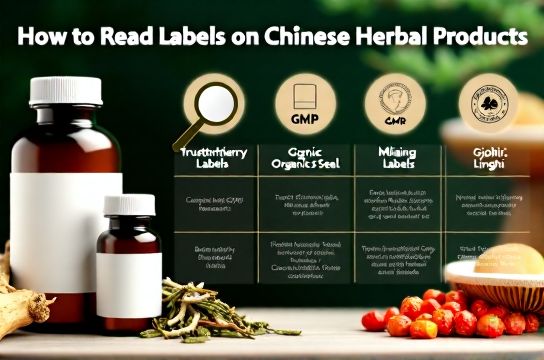
Why Labeling Matters More Than You Think
Chinese herbal medicine has been around for over 2,000 years, but modern packaging? That’s a whole different beast. A 2021 study published in Frontiers in Pharmacology found that 32% of tested herbal supplements contained ingredients not listed on the label—including fillers like wheat or soy, which can be dangerous for those with allergies.
So when you're choosing herbs, understanding labeling isn’t just about quality—it’s about safety.
Key Info That Should Be on Every Label
Here’s your cheat sheet for spotting trustworthy products. The best brands include:
- Scientific (Latin) name – For example, Panax ginseng, not just 'ginseng'
- Plant part used – Root, leaf, or seed? This affects potency.
- Origin country – China, Korea, or grown elsewhere?
- Extraction ratio – Like 10:1, meaning 10kg of herb makes 1kg of extract
- Third-party testing – Look for GMP or ISO certification
Spot the Difference: Real vs. Risky Labels
To make it easier, here’s a quick comparison of what reliable versus questionable labeling looks like:
| Feature | Trustworthy Label | Risky Label |
|---|---|---|
| Herb Name | Angelica sinensis (Dang Gui) | 'Female Harmony Herb' |
| Origin | Sichuan, China | 'Sourced from Asia' |
| Extraction Ratio | 8:1 extract | Not listed |
| Testing | Tested for heavy metals & microbes | No mention |
See the difference? Vague terms are a red flag. If they won’t tell you where it’s from or how it’s processed, ask yourself: What else are they hiding?
Follow the Science, Not the Hype
One thing I always tell my readers: Don’t fall for flashy buzzwords like 'ancient secret' or 'miracle cure'. Real Chinese herbal medicine is rooted in clinical practice, not marketing. For example, high-quality Reishi mushroom (Ganoderma lucidum) has studies backing its immune support—but only when properly extracted and dosed.
And if you're comparing options, always check for lab verification. Brands that publish third-party test results show they’ve got nothing to hide. That kind of transparency is what separates legit herbal supplements from the rest.
Bottom line? Read the label like your health depends on it—because it does.