Safe Use of Chinese Herbal Medicines for Beginners
- 时间:
- 浏览:114
- 来源:TCM1st
If you're new to natural wellness, you might be curious about Chinese herbal medicines—and honestly, it's a smart move. These remedies have been fine-tuned over thousands of years, blending tradition with real results. But here’s the catch: just because something’s 'natural' doesn’t mean it’s automatically safe. As someone who’s spent years diving into holistic health and guiding others through the maze of supplements, I’m here to help you get started—safely and effectively.
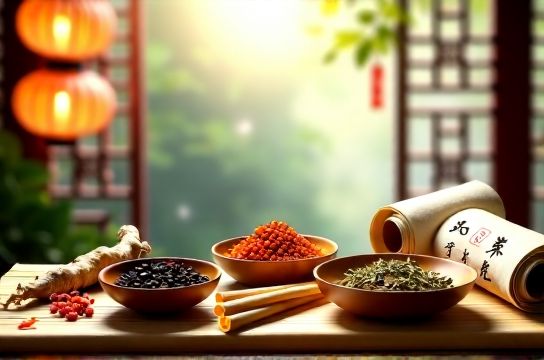
Why Trust Traditional Chinese Herbs?
According to a 2022 report by the World Health Organization, over 80% of people in Asia use traditional medicine—including Chinese herbs—as part of their primary healthcare. In China alone, the herbal medicine market hit $135 billion in value last year. That’s not just cultural preference; it’s decades of observed benefits backed by growing scientific interest.
But—and this is a big but—not all herbs are created equal. Quality, dosage, and interactions matter. Let me break it down with some common beginner-friendly options and what you should watch out for.
Top 5 Beginner-Friendly Herbs (With Safety Tips)
Below is a quick-reference table of widely used herbs that are generally safe when taken correctly:
| Herb (Latin Name) | Common Use | Typical Dosage | Potential Side Effects |
|---|---|---|---|
| Reishi Mushroom (Ganoderma lucidum) | Immune support, stress relief | 1.5–3g daily (powder or extract) | Dry mouth, dizziness (rare) |
| Astragalus (Astragalus membranaceus) | Boosts energy, supports immunity | 9–30g decoction daily | May interact with immunosuppressants |
| Goji Berry (Lycium barbarum) | Eye health, antioxidants | 10–30g daily (dried) | May lower blood sugar too much |
| Chrysanthemum (Chrysanthemum morifolium) | Eye strain, mild fever | 5–10g steeped as tea | Rare allergies |
| Codonopsis (Codonopsis pilosula) | Gentle adaptogen, digestion aid | 6–12g daily | Few side effects |
Always start low and go slow. Even safe herbs can cause issues if overused or mixed with medications. For example, goji berries may interfere with blood thinners like warfarin. Talk to your doctor if you’re on prescription meds.
How to Choose Quality Products
This is where most beginners trip up. The supplement industry isn’t tightly regulated everywhere. Look for brands that provide third-party lab testing, clear sourcing, and transparent labeling. Certified organic or GMP-certified products are your best bet.
And remember: real herbal medicine isn’t a magic bullet. It works best as part of a balanced lifestyle—good sleep, nutrition, and stress management included.
Start smart, stay informed, and let nature support you the right way.