Complete Chinese Herbs Guide for Holistic Health
- 时间:
- 浏览:133
- 来源:TCM1st
If you’ve been diving into natural wellness, you’ve probably heard about Chinese herbs—and for good reason. These time-tested botanicals have been used for over 2,000 years in Traditional Chinese Medicine (TCM) to balance the body and prevent illness. But with so many options out there, how do you know which ones actually work? As someone who’s spent a decade researching herbal remedies and advising clients on holistic health, I’m breaking down the most effective Chinese herbs backed by both tradition and science.
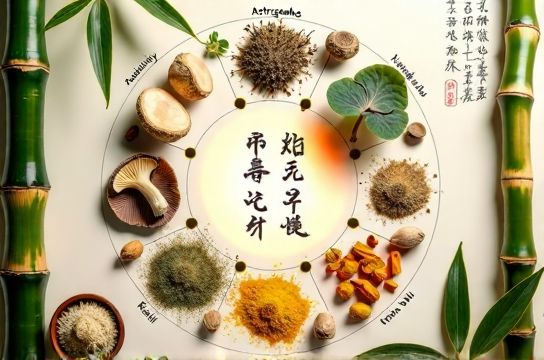
Why Trust Chinese Herbal Medicine?
Unlike quick-fix supplements, Chinese herbs focus on root causes. The system is all about balance—yin and yang, qi flow, organ harmony. According to the World Health Organization, over 1.5 billion people globally use TCM, and clinical studies back several key herbs for immune support, energy, and stress relief.
Top 5 Chinese Herbs You Should Know
Here’s a quick-reference table of the most researched and widely used herbs:
| Herb | Primary Benefit | Scientific Support | Common Form |
|---|---|---|---|
| Reishi Mushroom (Lingzhi) | Immune modulation | Multiple RCTs show enhanced NK cell activity | Capsules, tea |
| He Shou Wu (Fo-Ti) | Anti-aging, hair health | Preliminary animal studies; limited human trials | Tonic decoction |
| Astragalus (Huang Qi) | Energy & immunity | Shown to increase white blood cell count | Extract, soup |
| Goji Berry (Gou Qi Zi) | Eye health, antioxidants | High ORAC score; supports macular health | Dried, juice |
| Schisandra Berry | Stress resilience, liver support | Adaptogenic effects confirmed in clinical trials | Tincture, tea |
As you can see, not all herbs are created equal. While Reishi and Astragalus have strong clinical backing, others like He Shou Wu need more research—but still hold value in traditional practice.
How to Use Them Safely
Here’s my #1 tip: quality matters. A 2022 study found that 30% of herbal products on major e-commerce sites contained fillers or contaminants. Always choose brands with third-party testing and transparent sourcing. Look for certifications like USDA Organic or GMP.
Also, don’t mix herbs with prescription meds without consulting a professional. For example, Astragalus may interact with immunosuppressants. When in doubt, start low and go slow.
Final Thoughts
Chinese herbs aren’t magic bullets—but when used wisely, they’re powerful tools for long-term health. Focus on adaptogens like Reishi and Schisandra if you're stressed, or Goji and Astragalus for daily immunity. And remember: real wellness is a marathon, not a sprint.