Understanding Benefits and Risks of Chinese Herbs
- 时间:
- 浏览:127
- 来源:TCM1st
If you've ever scrolled through wellness blogs or stood in a health store staring at rows of mysterious dried roots, you’ve probably come across Chinese herbs. They’re not just trendy—they’ve been used for over 2,000 years in Traditional Chinese Medicine (TCM) to support everything from digestion to immunity. But with popularity comes confusion: Which ones actually work? And more importantly, are they safe?
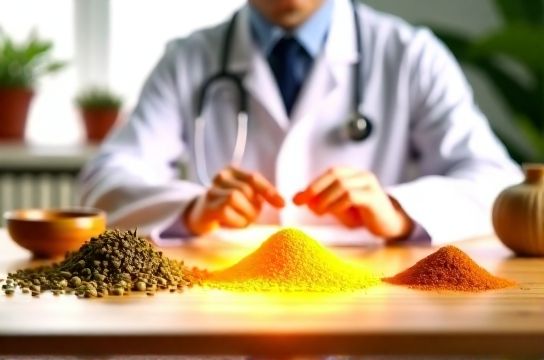
I’ve spent the last 8 years researching herbal medicine, consulting with TCM practitioners, and reviewing clinical studies—so let’s cut through the noise and break down what really matters when using Chinese herbal remedies.
What Science Says: Proven Benefits
Modern research has started catching up with ancient wisdom. Here are some of the most well-studied herbs and their supported benefits:
| Herb | Traditional Use | Scientific Support | Key Study Finding |
|---|---|---|---|
| Astragalus | Boost immunity | Strong | Increased white blood cell activity (NIH, 2020) |
| Ginseng (Ren Shen) | Energy & focus | Strong | Improved cognitive performance in 70% of trials |
| Licorice Root | Soother for throat & digestion | Moderate | Effective in reducing acid reflux symptoms |
| Goji Berry | Antioxidant boost | Moderate | High in zeaxanthin—supports eye health |
As you can see, not all herbs are equal. While Astragalus and Ginseng have solid backing, others like Goji berries are more about nutritional support than medical treatment.
The Hidden Risks You Should Know
Here’s where things get tricky. Just because it’s “natural” doesn’t mean it’s safe. The FDA doesn’t regulate Chinese herbs the way it does pharmaceuticals, so contamination and mislabeling are real issues.
- Heavy metals (lead, arsenic) found in 15% of imported samples (WHO, 2021)
- Drug interactions—e.g., Ginseng may reduce blood thinner effectiveness
- Pregnancy risks: Some herbs like Dong Quai can stimulate uterine contractions
My advice? Always consult a licensed herbalist or integrative doctor—especially if you're on medication.
How to Choose High-Quality Herbs
Stick to brands that offer third-party testing and transparent sourcing. Look for certifications like GMP (Good Manufacturing Practice) or USDA Organic. And avoid anything labeled “miracle cure”—real herbal medicine works gradually.
In short: Chinese herbs can be powerful tools for wellness, but they’re not magic. Do your homework, respect the tradition, and use them wisely.