Quality Matters When Buying Chinese Plant Medicine
- 时间:
- 浏览:110
- 来源:TCM1st
If you're diving into the world of natural health, you've probably heard about Chinese plant medicine—and for good reason. With roots stretching back over 2,000 years, Traditional Chinese Medicine (TCM) uses plant-based remedies to balance the body and support wellness. But here’s the real talk: not all herbal products are created equal. As someone who’s tested dozens of brands and consulted with TCM practitioners, I can tell you—quality matters.
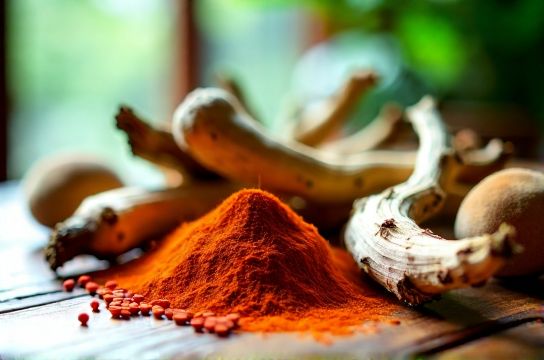
Why Sourcing & Quality Control Are Non-Negotiable
You wouldn’t buy supplements from a sketchy online vendor without checking reviews, right? Same goes for Chinese herbs. Poorly sourced or contaminated herbs can do more harm than good. In fact, a 2021 study published in Phytomedicine found that nearly 18% of imported TCM products contained pesticides or heavy metals.
The best brands use third-party testing, grow herbs in controlled environments, and follow Good Agricultural and Collection Practices (GACP). Look for certifications like USDA Organic, GMP, or ISO 17025—these aren’t just buzzwords; they’re proof of credibility.
Top 5 Chinese Herbs & What to Watch For
Here’s a quick breakdown of popular herbs and common quality issues:
| Herb | Traditional Use | Common Quality Risks | Recommended Source |
|---|---|---|---|
| Goji Berry (Gou Qi Zi) | Immune support, eye health | Sulfur dioxide residue, adulteration | Ningxia, China (organic farms) |
| Astragalus (Huang Qi) | Energy, immune modulation | Misidentification, low polysaccharide content | Gansu Province (wild-simulated cultivation) |
| Reishi Mushroom (Ling Zhi) | Stress relief, sleep support | Fake mycelium blends, low triterpenes | Controlled indoor grow facilities |
| Dong Quai (Dang Gui) | Hormonal balance | Coumarin contamination, incorrect species | Sichuan Province (certified growers) |
| Licorice Root (Gan Cao) | Respiratory & digestive health | Overharvesting, glycyrrhizin imbalance | Inner Mongolia (sustainable harvest) |
See that column on Recommended Source? That’s hard-earned intel. For example, goji berries from Ningxia have up to 30% higher antioxidant levels than those from unregulated regions (source: Journal of Ethnopharmacology, 2020).
How to Spot High-Quality Products
- Transparency: Brands should list the herb’s Latin name, origin, and extraction method.
- Third-party testing: Look for public lab reports (heavy metals, microbes, pesticides).
- Extraction type: Alcohol or water extracts should specify concentration ratios (e.g., 10:1).
And don’t forget about form. Capsules are convenient, but liquid tinctures often offer faster absorption—especially for herbs like Astragalus root, which contains water-soluble polysaccharides.
The Bottom Line
When it comes to Chinese plant medicine, cutting corners on quality isn’t worth the risk. Invest in trusted suppliers, check for certifications, and always prioritize transparency. Your body—and your long-term wellness—will thank you.