Complete Guide to Common Chinese Herbs and Their Uses
- 时间:
- 浏览:107
- 来源:TCM1st
If you've ever stepped into a traditional Chinese medicine (TCM) shop or scrolled through wellness blogs, you’ve probably heard about Chinese herbs like ginseng, goji berries, and astragalus. But what’s the real deal? Are they just ancient folklore, or is there science-backed magic in these roots and berries?
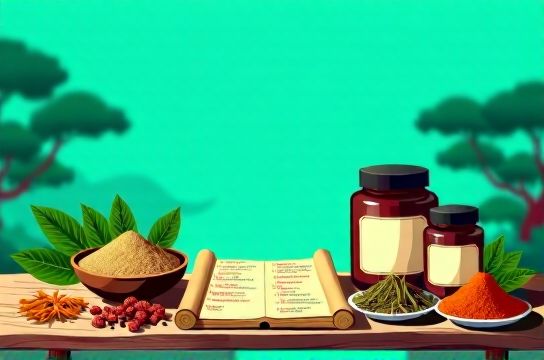
As someone who’s spent over a decade researching herbal remedies and comparing them with modern pharmacology, I’m here to break it down—no fluff, just facts.
Why Trust Chinese Herbal Medicine?
With over 5,000 years of documented use, TCM isn’t some passing trend. According to a World Health Organization report, more than 80% of people in developing countries rely on herbal medicine for primary healthcare. In China, TCM accounts for nearly 40% of all medical treatments.
But let’s get practical. Here are five of the most powerful and well-researched Chinese medicinal herbs, their proven benefits, and how to use them safely.
Top 5 Chinese Herbs You Should Know
| Herb | Traditional Use | Scientific Benefit | Dosage (Daily) |
|---|---|---|---|
| Ren Shen (Ginseng) | Boost energy, reduce stress | Improves mental performance & fatigue (NIH study, 2021) | 200–400 mg extract |
| Goji Berries (Gou Qi Zi) | Eye health, longevity | High in antioxidants; supports immune function | 10–30 grams dried |
| Astragalus (Huang Qi) | Immune support | Stimulates white blood cell production (Journal of Ethnopharmacology) | 500–1000 mg 2x/day |
| Licorice Root (Gan Cao) | Sothe coughs, balance formulas | Anti-inflammatory, antiviral properties | Up to 5 grams (short-term) |
| Chrysanthemum (Ju Hua) | Cooling tea for eye strain | Reduces inflammation and mild hypertension | 1–2 flowers steeped |
How to Use Them Safely
Not all herbs play nice with medications. For example, ginseng can interact with blood thinners, and licorice root may raise blood pressure if taken long-term. Always consult your doctor—especially if pregnant or on prescription meds.
Also, quality matters. A 2022 study found that 30% of herbal supplements online contained fillers or contaminants. Stick to reputable brands with third-party testing (look for USP or NSF labels).
Final Thoughts
Chinese herbs aren’t miracle cures—but they’re far from myths. When used wisely, they offer real support for energy, immunity, and long-term wellness. Start with one herb, track how you feel, and build from there.
Want a simple start? Try a daily cup of goji berry and chrysanthemum tea—it’s refreshing, safe, and great for screen-heavy days.