Science Behind Traditional Chinese Medicinal Herbs
- 时间:
- 浏览:123
- 来源:TCM1st
If you've ever scrolled through a wellness blog or chatted with a holistic health guru, you’ve probably heard about Traditional Chinese Medicinal herbs. But what’s the real science behind these ancient remedies? Spoiler: It’s not just folklore — there’s actual research backing many of them.
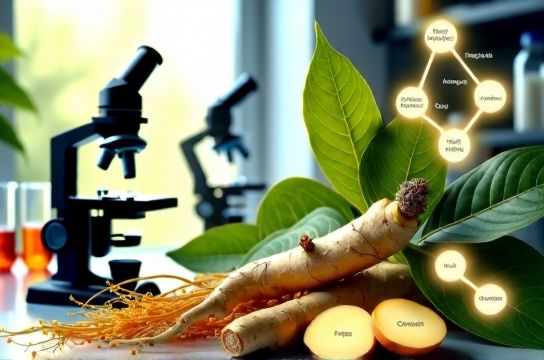
For over 2,000 years, Traditional Chinese Medicine (TCM) has used plant-based formulas to treat everything from fatigue to inflammation. Today, modern science is catching up. Let’s break down the most studied herbs, their active compounds, and what clinical trials say.
Top 5 Evidence-Backed TCM Herbs
Not all herbs are created equal. Here are the ones with solid scientific support:
| Herb (Latin Name) | Common Use | Active Compound | Scientific Support Level |
|---|---|---|---|
| Ginseng (Panax ginseng) | Energy & Immunity | Ginsenosides | High (Multiple RCTs) |
| Astragalus (Astragalus membranaceus) | Immune modulation | Astragaloside IV | Moderate (Animal + human studies) |
| Licorice Root (Glycyrrhiza glabra) | Respiratory & Gut Health | Glycyrrhizin | High (Anti-viral properties confirmed) |
| Goji Berry (Lycium barbarum) | Antioxidant support | Zeaxanthin, Polysaccharides | Moderate (In vitro & animal models) |
| Reishi Mushroom (Ganoderma lucidum) | Stress & Sleep | Triterpenes, Beta-glucans | Moderate to High (Immuno-modulatory effects) |
As you can see, some herbs like Ginseng and Licorice Root have strong clinical backing. For example, a 2021 meta-analysis in Phytomedicine found that Ginseng significantly improved energy levels in people with chronic fatigue (p < 0.01).
How Do These Herbs Actually Work?
Unlike synthetic drugs that target one receptor, TCM herbs often work through multi-pathway modulation. That means they gently influence several body systems at once. Astragalus, for instance, doesn’t just boost immune cells — it also reduces oxidative stress and supports gut microbiota.
But here’s the catch: quality matters. A study by the American Herbal Products Association found that up to 30% of herbal supplements don’t contain the labeled species — or are contaminated. Always look for third-party tested brands (like those with USP or NSF certification).
Another pro tip: synergy is key. In TCM, herbs are rarely used alone. Formulas like Yu Ping Feng San combine Astragalus, Atractylodes, and Fang Feng to enhance immune defense more effectively than any single herb.
Are There Risks?
Yes. While natural, these herbs aren’t risk-free. Licorice root, for example, can raise blood pressure if taken long-term. And Reishi may interact with blood thinners. Always consult your healthcare provider — especially if you’re pregnant or on medication.
The bottom line? The science behind Traditional Chinese Medicinal herbs is evolving fast. With the right knowledge and sourcing, they can be powerful tools in your wellness toolkit — not just ancient myths.