Herbal Medicine Uses in Chinese Wellness Traditions
- 时间:
- 浏览:124
- 来源:TCM1st
If you've ever scratched your head wondering why so many people swear by herbal medicine for everyday wellness, let me tell you—it’s not just hype. As someone who’s spent over a decade diving into traditional healing systems, I can confidently say that Chinese herbal medicine isn’t just about drinking bitter teas. It’s a finely tuned system backed by centuries of observation and practice.
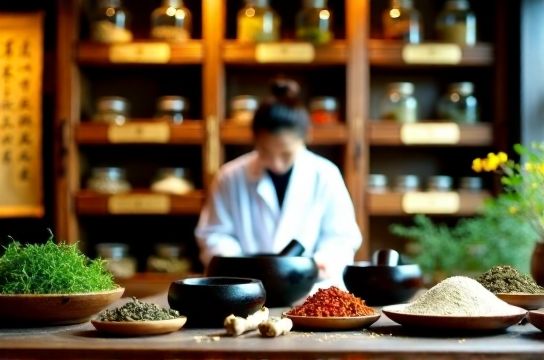
Unlike Western quick-fix solutions, Chinese herbal traditions focus on balance—balancing yin and yang, harmonizing organ systems, and treating the root cause, not just symptoms. And guess what? Modern research is finally catching up.
Take ginseng, for example. A 2022 meta-analysis published in *Frontiers in Pharmacology* found that ginseng significantly improves energy levels and immune response in adults under stress. Or licorice root, which the World Health Organization acknowledges for its anti-inflammatory and digestive benefits.
Here’s a quick snapshot of some widely used herbs and their scientifically supported uses:
| Herb | Traditional Use | Scientific Support |
|---|---|---|
| Goji Berry | Boosts liver & eye health | High in antioxidants; supports vision (NIH, 2021) |
| Astragalus | Strengthens immunity | Shown to increase white blood cell activity |
| Chrysanthemum | Cools body heat, aids sleep | Contains flavonoids with mild sedative effects |
| Dong Quai | Women’s hormonal balance | Mixed results; traditionally used for menstrual health |
Now, here’s where things get real: not all herbs are safe for everyone. For instance, licorice root can raise blood pressure if taken long-term. That’s why consulting a trained practitioner—someone who understands both Chinese herbal medicine and modern physiology—is crucial.
Another common myth? “Natural means safe.” Nope. Just because it’s from a plant doesn’t mean it won’t interact with your meds. St. John’s Wort, though not Chinese, is a classic example—it messes with birth control and antidepressants. So always disclose herbal use to your doctor.
The bottom line? Herbal medicine in Chinese wellness isn’t magic—it’s methodology. When used wisely, it complements modern healthcare beautifully. Whether you're battling fatigue, digestion issues, or stress, there's likely an herb (or formula) with a track record longer than your arm.
Start small: try chrysanthemum tea for screen-induced eye strain, or add goji berries to your morning oatmeal. But remember: consistency and context matter more than any single ‘miracle’ herb.