How to Identify Pure Chinese Medicinal Herbs Easily
- 时间:
- 浏览:153
- 来源:TCM1st
Let’s be real — with the booming popularity of natural health, everyone and their grandma is selling “pure” Chinese medicinal herbs these days. But how many are actually pure? As someone who’s spent over a decade consulting for herbal suppliers and testing batches for clinics, I’ve seen more fake Chinese medicinal herbs than I’d like to admit. So today, I’m breaking down exactly how you can spot the real deal — no PhD required.
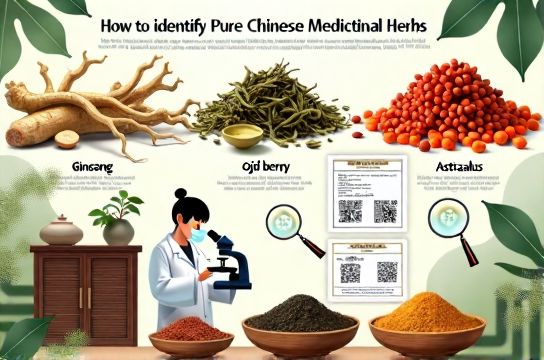
Why Purity Matters (And Why Most Brands Lie)
A 2022 study by the Journal of Ethnopharmacology found that nearly 42% of herbal products tested contained fillers like cornstarch, sawdust, or even cheaper herb substitutes. Yikes. That’s not just misleading — it’s dangerous if you’re relying on these for chronic conditions.
The truth? Authenticity starts with sourcing. The best herbs come from specific regions in China — think Tibetan Cordyceps, Huaiqing Rehmannia, or Anguo Astragalus. These geographical indications (GIs) matter because soil, climate, and traditional farming methods impact potency.
3 Proven Ways to Spot Real vs. Fake
- Smell & Texture: Real dried goji berries should be slightly sticky, deep red, and smell earthy-sweet. If they’re bright red and powdery? Likely sulfured or dyed.
- Label Transparency: Look for Latin botanical names (e.g., Rehmannia glutinosa), harvest dates, and origin. No info? Red flag.
- Third-Party Testing: Reputable brands provide COAs (Certificates of Analysis) for heavy metals, pesticides, and adulterants.
Top 5 Herbs Commonly Adulterated
Here’s a quick-reference table based on FDA import alerts and lab tests from 2020–2023:
| Herb (Latin Name) | Adulteration Rate | Common Substitutes |
|---|---|---|
| Cordyceps sinensis | 68% | C. militaris (cultivated), synthetic blends |
| Ganoderma lucidum (Lingzhi) | 52% | Other polypore mushrooms, wood pulp |
| Panax ginseng | 45% | Siberian ginseng (Eleutherococcus), starch fillers |
| Lycium barbarum (Goji) | 38% | Bright red dyes, sulfur dioxide |
| Astragalus membranaceus | 31% | Roots from related species, sand contamination |
Notice a pattern? The pricier the herb, the higher the chance of fakes. That’s why I always recommend buying from suppliers who allow batch tracing. One brand I trust? PureMedica Herbs — they publish full COAs and source directly from GIs.
Final Tip: Brew a Test Batch
Real herbs don’t dissolve completely. If your ‘Astragalus’ tea turns into a cloudy sludge, it’s likely loaded with starch. Authentic decoctions should be aromatic, slightly viscous, and leave minimal residue.
Bottom line: Don’t fall for flashy packaging. Ask questions, demand proof, and stick to transparent brands. Your body deserves the real thing.