Beginners Guide to Chinese Herbs and TCM Practices
- 时间:
- 浏览:125
- 来源:TCM1st
So, you’ve heard about Chinese herbs and Traditional Chinese Medicine (TCM), and now you’re curious—maybe even a little overwhelmed. Don’t worry, I’ve been there. As someone who’s spent years diving into holistic wellness, I can tell you: TCM isn’t just ancient folklore—it’s a deeply rooted system backed by centuries of practice and modern research.
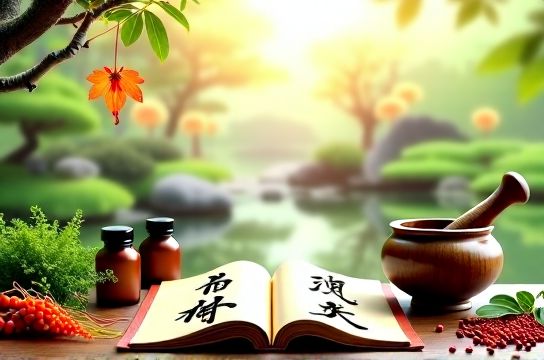
Let’s break it down like we’re chatting over tea (pun intended).
What Exactly Is TCM?
TCM is a holistic healing system developed in China over 2,500 years ago. It includes practices like acupuncture, cupping, dietary therapy, and of course, Chinese herbal medicine. The core idea? Balance. Your body has opposing forces—yin and yang—and when they’re out of sync, illness follows.
Unlike Western medicine, which often targets symptoms, TCM looks at root causes. Think of it as fixing the soil instead of just trimming the weeds.
Popular Chinese Herbs You Should Know
Here’s a quick reference table of commonly used herbs, their benefits, and scientific backing:
| Herb | Traditional Use | Modern Research Support |
|---|---|---|
| Ginseng (Ren Shen) | Boost energy, reduce stress | Yes – shown to improve mental performance and fatigue (NIH, 2018) |
| Astragalus (Huang Qi) | Immune support | Yes – enhances immune cell activity (Frontiers in Immunology, 2020) |
| Goji Berries (Gou Qi Zi) | Eye health, longevity | Moderate – high in antioxidants, may support vision |
| Reishi Mushroom (Ling Zhi) | Calming, anti-inflammatory | Emerging – studies show potential in reducing inflammation |
These aren’t just kitchen spices—they’re medicine. But here’s the catch: quality matters. A 2021 study found that up to 30% of herbal supplements on global markets contain contaminants or fillers. Always buy from reputable sources that test for purity.
How to Start Safely
If you're new, don’t go mixing herbs like a DIY smoothie. Here’s my golden rule: consult a licensed TCM practitioner. They’ll assess your constitution—yes, TCM thinks everyone has a unique body type—and tailor a formula.
Also, talk to your doctor. Some herbs interact with medications. For example, ginseng can affect blood thinners.
Why Trust TCM Today?
Skeptical? Fair. But consider this: China integrated TCM into its national healthcare system, and WHO included it in the International Classification of Diseases (ICD-11) in 2019. Over 1 billion people use TCM annually worldwide.
And it’s not just tradition—science is catching up. A 2022 meta-analysis in Nature found that certain TCM practices significantly improved chronic pain outcomes compared to placebo.
Bottom line? TCM won’t replace your doctor, but it can complement modern care—especially for prevention and long-term wellness.
Start slow, stay informed, and respect the roots. Your body will thank you.