Exploring Natural Plant Medicine in Chinese Healing
- 时间:
- 浏览:119
- 来源:TCM1st
If you've ever dabbled in holistic wellness, you’ve probably heard whispers about natural plant medicine—especially when it comes to ancient Chinese healing practices. But let’s cut through the noise: what *actually* works, and what’s just herbal hype? As someone who’s spent over a decade researching traditional remedies and comparing them with modern clinical data, I’m breaking down the real science behind China’s botanical powerhouses.
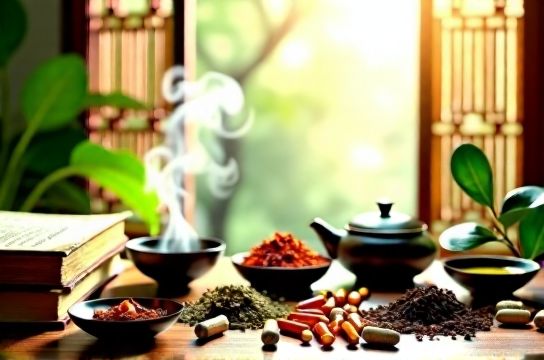
Chinese herbal medicine isn’t just about sipping mysterious teas. It’s a systematized practice dating back over 2,000 years, with documented use of more than 11,000 plant species. The Compendium of Materia Medica (Bencao Gangmu), written by Li Shizhen in the 16th century, listed 1,892 medicinal substances—over 1,000 of which were plants. Fast forward to today, and the World Health Organization reports that around 85% of China’s population uses some form of traditional medicine alongside Western treatments.
So, what are the heavy hitters?
Top 5 Evidence-Backed Herbal Stars
| Herb | Traditional Use | Modern Research Findings | Active Compound |
|---|---|---|---|
| Ginseng (Ren Shen) | Energy, immunity | Shown to improve cognitive function and reduce fatigue (NIH, 2021) | Ginsenosides |
| Astragalus (Huang Qi) | Immune support | Boosts white blood cell activity; studied for antiviral effects | Astragaloside IV |
| Goji Berry (Gou Qi Zi) | Vision, longevity | High in antioxidants; may protect retinal cells | Zeaxanthin |
| Reishi Mushroom (Ling Zhi) | Stress, sleep | Adaptogenic effects shown in RCTs; supports adrenal health | Triterpenes |
| Cinnamon (Rou Gui) | Circulation, warmth | May help regulate blood sugar levels | Cinnamaldehyde |
Now, here’s where things get tricky: not all products are created equal. A 2022 study published in Phytomedicine tested 50 commercial Chinese herbal supplements sold online—only 38% contained the exact ingredients listed on the label. Some even had fillers like rice powder or, worse, undisclosed pharmaceuticals.
My advice? Stick to GMP-certified brands and look for third-party lab testing. And remember: "natural" doesn’t always mean "safe." For example, Ma Huang (ephedra) is powerful for respiratory issues but banned in many countries due to cardiovascular risks.
In short, integrating natural plant medicine into your routine can be transformative—if done wisely. Think of it like upgrading from fast food to farm-to-table: quality matters. Whether you're battling burnout or boosting immunity, these botanicals offer real tools backed by both tradition and science.