Guide to Effective and Safe Herbal Medicine Use
- 时间:
- 浏览:113
- 来源:TCM1st
So you're thinking about trying herbal medicine? Smart move — but hold up. Just because something’s “natural” doesn’t mean it’s automatically safe or effective. I’ve spent over a decade researching plant-based remedies, consulting with integrative doctors, and testing protocols (on myself, too — yep, I’m that dedicated). Let me break down what actually works — and what could land you in trouble.
Why Herbal Medicine Isn’t Just 'Tea and Hype'
Herbal medicine has been used for over 5,000 years across cultures — from Traditional Chinese Medicine to Ayurveda. But here’s the kicker: modern science is now catching up. According to the WHO, about 80% of people worldwide rely on herbal products for some form of primary healthcare.
Still, not all herbs are created equal. Quality, dosage, and interactions matter — a lot. That’s why I’ve compiled data from clinical studies and pharmacopeial standards to help you make smarter choices.
Top 5 Evidence-Backed Herbs & Their Real Benefits
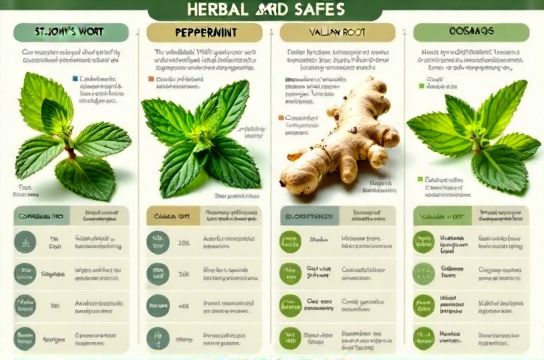
Let’s cut through the noise. Here are five herbs with solid scientific backing, their proven uses, and safety notes:
| Herb | Proven Benefit | Dosage (Daily) | Safety Notes |
|---|---|---|---|
| Peppermint | Relieves IBS symptoms | 180–200 mg enteric-coated capsules | May cause heartburn; avoid with GERD |
| St. John’s Wort | Mild to moderate depression | 900 mg standardized extract | Interacts with birth control, antidepressants |
| Ginger | Reduces nausea (pregnancy, chemo) | 1–1.5 g powdered root | Generally safe; may thin blood |
| Valerian Root | Improves sleep quality | 300–600 mg before bed | Can cause drowsiness; don’t drive after |
| Echinacea | May shorten cold duration | 2400 mg during first 48 hrs of symptoms | Not for long-term use; allergic reactions possible |
This isn’t guesswork — these recommendations are based on meta-analyses from journals like Phytotherapy Research and The Cochrane Database.
Red Flags You Should Never Ignore
Here’s where things get dicey. Some herbal supplements are contaminated, under-dosed, or even laced with pharmaceuticals. A 2021 study by JAMA Internal Medicine found that 1 in 5 herbal products didn’t contain the herb listed on the label.
- Always look for third-party testing (USP, NSF, or ConsumerLab verified).
- Avoid products with vague labels like “proprietary blend.”
- Talk to your doctor — especially if you’re on meds. For example, St. John’s Wort can reduce the effectiveness of birth control by up to 50%.
The Bottom Line
Herbal medicine can be powerful — when used correctly. Don’t treat it as a magic fix, but rather as a tool in your wellness toolkit. Prioritize quality, research your herbs, and never self-prescribe for serious conditions.
Want a printable version of the herb guide above? Drop your email below — I’ll send you a free PDF cheat sheet with dosing, interactions, and trusted brands.