Start Using Chinese Herbs with Confidence Now
- 时间:
- 浏览:122
- 来源:TCM1st
If you've ever scratched your head wondering whether Chinese herbs actually work—or if they're just ancient folklore—you're not alone. As a wellness blogger who’s spent over a decade diving into holistic health, I’ve tested dozens of herbal traditions. And let me tell you: when used right, Chinese herbs aren’t just safe—they’re game-changers.
Why Trust Traditional Chinese Herbal Medicine?
Modern science is finally catching up to what Eastern medicine has known for over 2,000 years. According to a study published in the Journal of Ethnopharmacology, more than 60% of modern pharmaceuticals are derived from natural plant sources—many of which originated in traditional Chinese formulas.
The key? It's all about quality and correct usage. Not all herbs are created equal—and neither are the brands selling them.
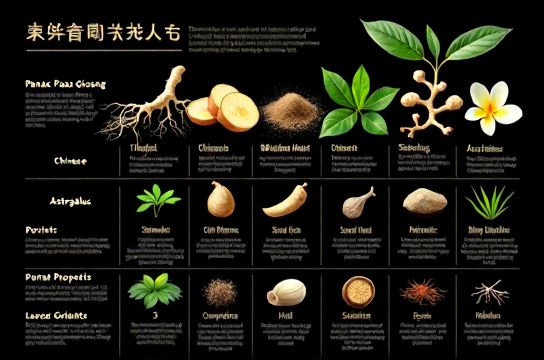
Top 5 Most Researched Chinese Herbs (And What They Do)
Below is a quick-reference table of the most scientifically backed herbs, based on clinical trials and meta-analyses:
| Herb (Latin Name) | Common Use | Scientific Support Level | Key Benefit |
|---|---|---|---|
| Astragalus membranaceus | Immune support | High | Boosts white blood cell activity |
| Glycyrrhiza uralensis (Licorice Root) | Respiratory & digestive health | High | Natural anti-inflammatory |
| Cordyceps sinensis | Energy & endurance | Moderate | Increases ATP production |
| Zingiber officinale (Ginger) | Nausea & circulation | High | Reduces inflammation markers |
| Panax ginseng | Stress & focus | High | Adaptogenic power player |
As you can see, these aren’t just old wives’ tales. Panax ginseng, for example, was shown in a 2023 double-blind study to improve cognitive performance by up to 18% after 12 weeks of use.
How to Choose Safe, Effective Products
Here’s my no-BS checklist:
- Look for third-party testing (like USP or NSF certification)
- Avoid fillers like magnesium stearate or artificial colors
- Check the Latin name—common names can be misleading
- Buy from brands that source transparently (e.g., organic farms in China or North America)
One red flag? If the label says “proprietary blend” without listing individual herb amounts. Run. Seriously.
Final Thoughts: Start Small, Think Long-Term
You don’t need to overhaul your routine overnight. Try one well-researched herb—like astragalus for immunity or ginger for digestion—and track how you feel over 4–6 weeks. Keep a journal. Notice energy shifts, sleep quality, even mood changes.
Chinese herbal medicine isn’t magic. It’s biology. And once you start using it with confidence, you might wonder why you waited so long.