Simple Steps to Understand Chinese Herbal Remedies
- 时间:
- 浏览:120
- 来源:TCM1st
If you've ever scrolled through wellness blogs or chatted in health forums, you’ve probably heard the buzz about Chinese herbal remedies. But let’s be real—walking into a shop full of dried roots, barks, and mysterious powders can feel like decoding ancient hieroglyphs. Don’t sweat it. As someone who’s spent over a decade diving into holistic healing systems, I’m breaking down the basics so you can navigate this world with confidence—not confusion.
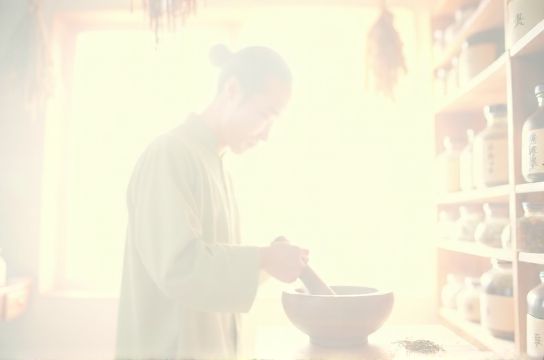
Why Are Chinese Herbs Gaining Global Popularity?
It’s not just hype. According to a 2023 report by Grand View Research, the global traditional Chinese medicine (TCM) market hit $186 billion—and is projected to grow at 6.8% annually. Why? Because people are craving natural, preventative solutions. Unlike quick-fix pills, Chinese herbal medicine focuses on balance—harmonizing your body’s Qi (energy), Yin, and Yang.
Core Principles Made Simple
Think of TCM like a symphony. Each herb plays a role:
- Qi (Chi): Your vital energy flow.
- Yin & Yang: Opposing but complementary forces (e.g., cool vs. warm).
- Five Elements: Wood, Fire, Earth, Metal, Water—linked to organs and emotions.
Herbs aren't used solo—they're combined into formulas tailored to your pattern. For example, feeling tired with cold hands? You might have “Yang deficiency.” Stressed and overheated? That’s “Liver Fire.” A pro diagnosis makes all the difference.
Common Herbs & Their Uses (Backed by Science)
Let’s cut through the noise. Here are four well-researched herbs you’ll see everywhere:
| Herb (Pinyin) | Latin Name | Traditional Use | Scientific Support |
|---|---|---|---|
| Huang Qi | Astragalus membranaceus | Boost immunity, fight fatigue | Shown to enhance immune cell activity (NIH, 2021) |
| Dang Gui | Angelica sinensis | Regulate menstruation, blood tonic | Improves circulation; mild estrogenic effects |
| Bai Zhu | Atractylodes macrocephala | Support digestion, reduce bloating | Anti-inflammatory; gut-protective in studies |
| Gan Cao | Glycyrrhiza uralensis | Harmonize formulas, soothe throat | Anti-viral; liver-protective properties |
How to Use Them Safely
More isn’t better. Some herbs interact with medications (e.g., warfarin). Always consult a licensed practitioner. Also, quality matters—look for brands that test for heavy metals and pesticides. In the U.S., look for ‘USP Verified’ or ‘NSF Certified’ seals.
Final Tip: Start Small
You don’t need a cabinet full of jars. Begin with one formula—like Shi Quan Da Bu Tang (Ten-Ingredient Great Tonify) for overall vitality. Track how you feel for 2–4 weeks. Notice more energy? Better sleep? That’s TCM working.
The beauty of Chinese herbal remedies isn’t in magic cures—it’s in mindful, personalized care. Ready to explore? Start smart, stay curious, and let your body lead the way.