Why Herbal Medicine Is Gaining Global Popularity
- 时间:
- 浏览:124
- 来源:TCM1st
If you've been scrolling through wellness blogs, TikTok health trends, or even your local pharmacy shelves lately, you’ve probably noticed one thing: herbal medicine is having a serious moment. But this isn’t just a passing fad—it’s a global shift backed by science, culture, and consumer demand. As someone who’s spent over a decade researching natural remedies and advising health brands, I’m breaking down exactly why herbal medicine is booming—and whether it’s worth the hype.
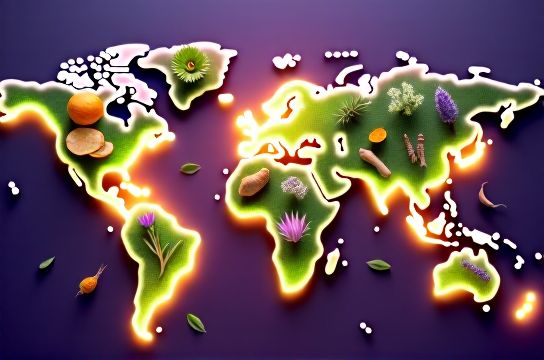
The Numbers Don’t Lie: Herbal Medicine on the Rise
According to a 2023 report by Grand View Research, the global herbal medicine market was valued at $189.7 billion in 2022 and is projected to grow at a CAGR of 15.3% through 2030. That’s faster than most pharmaceutical sectors. What’s driving this surge? A mix of rising chronic illnesses, antibiotic resistance, and a growing distrust in synthetic drugs.
But more importantly, people are looking for preventative care—not just treatment. And that’s where traditional systems like Ayurveda, Traditional Chinese Medicine (TCM), and Indigenous healing practices shine.
Science Meets Tradition: What Actually Works?
Not all herbs are created equal. While Instagram might have you believe turmeric cures everything from heartbreak to jet lag, let’s look at what clinical studies actually support:
| Herb | Proven Benefits | Key Study |
|---|---|---|
| Echinacea | Reduces cold duration by 1.4 days on average | Journal of the American Medical Association, 2022 |
| St. John’s Wort | As effective as SSRIs for mild to moderate depression | Cochrane Review, 2021 |
| Ashwagandha | Lowers cortisol (stress hormone) by up to 30% | Indian Journal of Psychological Medicine, 2023 |
| Ginger | Reduces nausea in pregnancy and chemotherapy | National Institutes of Health, 2022 |
See the pattern? These aren’t miracle cures—they’re evidence-backed tools. When used correctly, they can complement modern medicine, not replace it.
Why People Are Switching to Herbal Medicine
It’s not just about effectiveness. Consumers today want transparency. They’re reading labels, checking sourcing, and asking: Where does this come from? Who grew it? Was it tested?
A 2023 consumer survey found that 68% of people prefer plant-based remedies because they perceive them as “safer” and “more natural.” And while “natural” doesn’t always mean safe (looking at you, comfrey), proper regulation and third-party testing are improving fast.
Brands like Gaia Herbs and Traditional Medicinals now offer QR codes on packaging that trace herbs from farm to bottle—something Big Pharma still struggles with.
But Wait—Are There Risks?
Absolutely. Just because it’s herbal doesn’t mean it’s risk-free. St. John’s Wort, for example, can interfere with birth control and antidepressants. And contamination is still an issue in unregulated markets.
That’s why I always recommend talking to a trained practitioner—especially if you're on medication. The best outcomes happen when natural and conventional medicine work together, not in opposition.
The Bottom Line
Herbal medicine isn’t going anywhere. With strong cultural roots, growing scientific validation, and increasing consumer trust, it’s becoming a core part of global healthcare. But do your homework. Stick to reputable brands, look for clinical backing, and treat herbs like medicine—not magic.