Using Medicinal Herbs Safely in Home Treatments
- 时间:
- 浏览:110
- 来源:TCM1st
Let’s be real—more people are turning to medicinal herbs for everyday health fixes. And honestly? It makes sense. With rising healthcare costs and a growing desire for natural solutions, who wouldn’t want to grow their own remedies at home? But here’s the thing: just because something is “natural” doesn’t mean it’s automatically safe.
I’ve spent over a decade researching herbal medicine, from clinical studies to hands-on home use, and I’ve seen both amazing results and some serious missteps. So if you're thinking about using herbs like echinacea, ginger, or turmeric at home, let’s talk safety first.
Why Safety Matters with Herbal Remedies
Many assume herbs are harmless because they come from plants. But remember: aspirin originated from willow bark, and digitalis (a heart medication) comes from foxglove. Nature packs power—sometimes too much.
A 2022 report by the National Center for Complementary and Integrative Health found that nearly 23% of U.S. adults used some form of herbal supplement. Yet, only 37% told their doctor about it. That silence can be dangerous when herbs interact with prescription drugs.
Top 5 Common Herbs & Their Risks
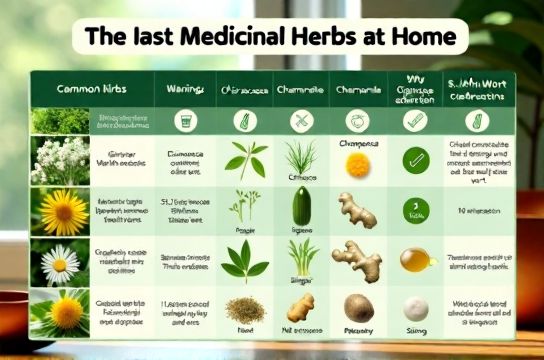
Here’s a quick breakdown of popular home herbal treatments and what you need to watch out for:
| Herb | Common Use | Potential Risk | Drug Interaction |
|---|---|---|---|
| Echinacea | Immune support | Allergic reactions | Immunosuppressants |
| Ginger | Digestive aid | Bleeding risk (high doses) | Blood thinners (e.g., warfarin) |
| Turmeric (Curcumin) | Anti-inflammatory | GI upset | Diabetes meds, blood thinners |
| St. John’s Wort | Mood support | Serotonin syndrome | Antidepressants, birth control |
| Valerian Root | Sleep aid | Drowsiness, liver concern | Sedatives, alcohol |
See the pattern? Most risks come from interactions—not the herb itself. That’s why transparency with your healthcare provider is non-negotiable.
Best Practices for Safe Home Use
- Do Your Research: Stick to reputable sources like NIH, WHO, or peer-reviewed journals.
- Start Low, Go Slow: Begin with the lowest effective dose to test tolerance.
- Check Expiry Dates: Dried herbs lose potency and can mold if stored poorly.
- Avoid Self-Treating Serious Conditions: Herbs can support—but not replace—medical care for chronic illnesses.
Also, quality varies *wildly*. A 2020 study tested 40 herbal supplements and found 30% didn’t contain the herb listed on the label. Some were filled with fillers like rice or soy. Always choose brands with third-party testing (look for USP, NSF, or ConsumerLab seals).
The Bottom Line
Using medicinal herbs at home can be smart and effective—if done wisely. Respect their power, verify quality, and never skip the conversation with your doctor. When used right, these natural tools can be a valuable part of your wellness routine. But nature doesn’t do warnings in small print. You’ve got to ask the questions yourself.