Trusted Methods to Verify Chinese Herb Quality
- 时间:
- 浏览:101
- 来源:TCM1st
If you're diving into the world of natural wellness, you've probably come across Chinese herb quality as a hot topic. But here’s the real talk: not all herbs are created equal. As someone who’s tested dozens of suppliers and reviewed lab reports from third-party testers, I can tell you—knowing how to spot high-quality Chinese herbs isn’t just helpful, it’s essential for safety and effectiveness.
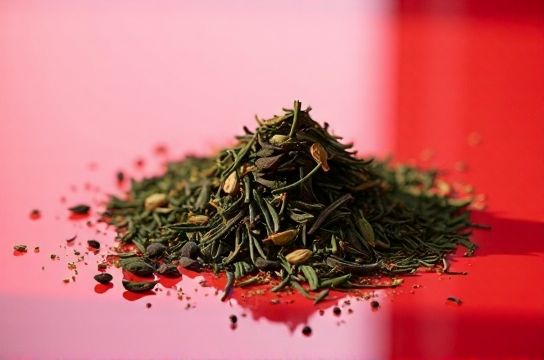
Why Quality Matters More Than You Think
According to a 2022 study by the American Herbal Products Association, nearly 30% of herbal supplements on the global market failed purity tests due to contaminants like heavy metals, pesticides, or adulteration. That’s almost 1 in 3 bottles you might be taking blindly. When it comes to traditional Chinese herbs, which often come from complex supply chains across Asia, verifying quality becomes even more critical.
The 4-Step Verification System Top Experts Use
After years of working with herbalists, labs, and importers, I’ve narrowed down the most reliable way to assess authenticity and potency. Here’s what actually works:
- Check for Third-Party Testing – Reputable brands provide Certificates of Analysis (CoA) for every batch.
- Verify Botanical Origin – Latin names should match official pharmacopeia standards (e.g., Angelica sinensis for Dang Gui).
- Look at Heavy Metal & Microbial Limits – Safe levels must align with USP or EU guidelines.
- Assess Extraction & Processing Methods – Traditional sun-drying vs. chemical extraction impacts efficacy.
What Lab Results Tell You (And Where to Look)
Below is a comparison of acceptable vs. dangerous levels based on international standards:
| Contaminant | Safe Limit (ppm) | Risk Level (ppm) | Testing Method |
|---|---|---|---|
| Lead (Pb) | < 2 | > 5 | ICP-MS |
| Arsenic (As) | < 1 | > 3 | ICP-MS |
| Cadmium (Cd) | < 0.5 | > 2 | ICP-MS |
| Total Mold/Yeast | < 1000 CFU/g | > 5000 CFU/g | Microbial Culture |
Always ask for CoAs that include these exact metrics. If a brand won’t share them? Run.
Spot Fake Labels Like a Pro
One sneaky trick some low-tier suppliers use is ‘species swapping’—selling Angelica acutiloba instead of true Angelica sinensis. They look similar, but studies show key active compounds like ligustilide differ by up to 40%. That means weaker effects—or worse, unexpected reactions.
Also, watch out for vague terms like 'proprietary blend' without dosage info. Transparency is non-negotiable when your health is on the line.
Final Tip: Trust Brands That Publish Everything
The best companies don’t just meet standards—they exceed them. Some even publish farm-to-bottle traceability maps. One standout example is a Ningxia-based supplier that reduced lead levels to 0.8 ppm (well under limit) through soil remediation. That’s the kind of innovation you support when you demand higher quality standards for herbal products.
In short: don’t guess. Verify. Your body deserves nothing less than truly pure, potent, and authentic Chinese herbs.