How to Identify Genuine Chinese Medicinal Herbs
- 时间:
- 浏览:120
- 来源:TCM1st
Let’s be real—walking into a shop or browsing online for Chinese medicinal herbs, you’ve probably asked yourself: "Are these actually legit?" You're not alone. With the global herbal market hitting $120 billion in 2023 (Grand View Research), fake or adulterated herbs are more common than we’d like. As someone who’s spent over a decade sourcing herbs from Yunnan to Beijing, I’m breaking down how to spot the real deal.
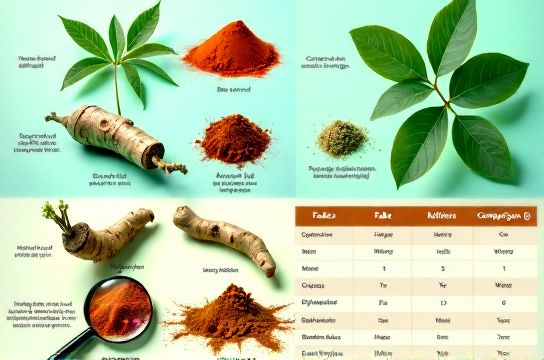
Why Adulteration Is a Huge Problem
A shocking 32% of herbal samples tested by the American Herbal Pharmacopoeia contained fillers like starch, sawdust, or even toxic plants. That’s not just ineffective—it’s dangerous. The most commonly faked herbs? Dang Gui (Angelica sinensis), Huang Qi (Astragalus), and Gan Cao (Licorice root).
4 Proven Ways to Spot Real vs. Fake
- Smell & Texture: Real Dang Gui has a distinct sweet, earthy aroma. If it smells like nothing or like cardboard, it’s likely old or fake.
- Visual Clarity: Check color and cut. Huang Qi should be pale yellow inside with radial cracks—not uniformly bright (a sign of sulfur bleaching).
- Water Test: Drop a piece in hot water. Authentic Gan Cao will slowly release a sweet, lingering flavor. Fakes taste flat or bitter.
- Lab Reports: Always ask for third-party testing. Look for HPLC (High-Performance Liquid Chromatography) results confirming active compounds.
Key Markers in Common Herbs
| Herb (Pinyin) | Authentic Traits | Common Fakes | Test Method |
|---|---|---|---|
| Dang Gui (Angelica sinensis) | Strong aromatic scent, oily texture, amber-colored core | Ligusticum or celery root | HPLC for ligustilide (>0.4%) |
| Huang Qi (Astragalus membranaceus) | Faint bean-like smell, fibrous, slightly sweet | Sophora flavescens (toxic!) | TLC test for astragaloside IV |
| Gan Cao (Glycyrrhiza uralensis) | Deep brown bark, bright yellow interior, sweet taste | Artificially sweetened roots | GC-MS for glycyrrhizin (>2.5%) |
Buy From Trusted Sources
Stick to suppliers with transparent sourcing. In China, look for GACP (Good Agricultural and Collection Practices) certification. Internationally, brands like Health Concerns and Mayway provide full lab reports. Don’t trust Amazon listings with 5-star reviews but no verifiable origin.
And here’s a pro tip: always start with small batches. Even pros get fooled. If a deal seems too good to be true—like $10 for 500g of Dang Gui—it probably is. Quality authentic Chinese herbs cost more because they’re grown sustainably and tested rigorously.
The bottom line? Your health isn’t worth gambling on sketchy herbs. Use these tips, trust your senses, and demand proof. Stay safe, stay informed.