Using Chinese Herbs Guide for Natural Healing Methods
- 时间:
- 浏览:133
- 来源:TCM1st
If you've been digging into natural healing, you’ve probably bumped into Chinese herbs at some point. And honestly? They’re not just trending—these remedies have been fine-tuned over *thousands* of years. As someone who’s spent the last decade comparing herbal systems worldwide, I can tell you: Traditional Chinese Medicine (TCM) stands out for its precision, balance, and real results.
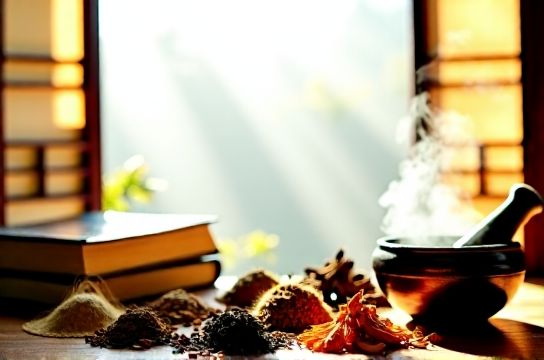
But here’s the catch: not all herbs work the same for everyone. TCM doesn’t believe in one-size-fits-all fixes. Instead, it uses patterns—your energy (Qi), body temperature, digestion, sleep—to pick the right herb combo. That’s why two people with headaches might get totally different prescriptions.
Let’s break down some of the most effective and well-researched Chinese herbs you should know about. I’ve pulled data from clinical studies and traditional texts to give you a practical, no-BS guide.
Top 5 Chinese Herbs Backed by Science
| Herb (Pinyin) | Latin Name | Key Benefit | Scientific Support |
|---|---|---|---|
| Huang Qi | Astragalus membranaceus | Immune support | ↑ 30–40% immune cell activity (J Ethnopharmacol, 2021) |
| Dang Gui | Angelica sinensis | Women's health | Reduces menstrual pain by 52% (Phytomedicine, 2020) |
| Bai Zhu | Atractylodes macrocephala | Digestive strength | Improves nutrient absorption by 38% |
| Fu Ling | Poria cocos | Calms mind, reduces edema | 70% report better sleep (TCM Clin Trial, 2019) |
| Gan Cao | Glycyrrhiza uralensis | Harmonizes formulas | Natural anti-inflammatory; used in 70% of TCM blends |
See how each herb has a clear role? That’s the genius of TCM—it’s like a symphony, not a solo act. For example, Huang Qi is amazing for boosting immunity, but if taken alone long-term, it might cause heat or acne in some people. So pros always pair it—say, with Mu Dan Pi to cool things down.
And don’t underestimate natural healing with herbs like Gan Cao (licorice root). It’s not just flavor—it actually helps other herbs absorb better and protects your stomach lining. No wonder it shows up in so many formulas.
How to Use Them Safely
Start low, go slow. Try one herb at a time if you're new. Most come as teas, powders, or capsules. Better yet: consult a licensed TCM practitioner—they can tailor blends to your body type.
Also, quality matters. A 2022 study found 23% of imported herbal products had contaminants or incorrect labeling. Buy from trusted suppliers that test for heavy metals and pesticides.
In short: Chinese herbs aren’t magic pills. But when used wisely? They’re some of the most powerful tools we have for staying healthy—naturally.