Avoiding Risks When Using Chinese Herbal Supplements
- 时间:
- 浏览:128
- 来源:TCM1st
If you're diving into natural wellness, Chinese herbal supplements might already be on your radar. And hey, who can blame you? With roots stretching back thousands of years, these remedies are more than just ancient folklore—they’re a cornerstone of Traditional Chinese Medicine (TCM). But here’s the real talk: not all herbs are safe for everyone, and using them without guidance can lead to serious health risks.
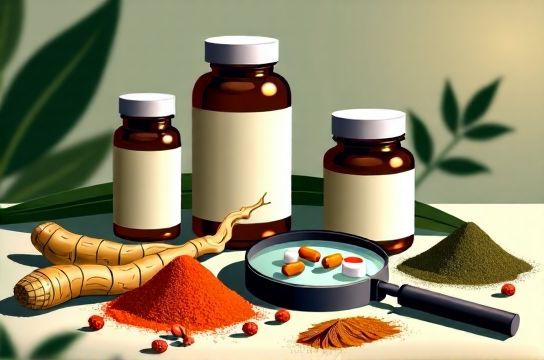
I’ve spent over a decade researching herbal therapies and advising clients on integrative health. One thing I’ve learned? Knowledge is your best defense. Let’s break down the real risks—and how to use these powerful botanicals safely.
Why Safety Matters with Chinese Herbs
Unlike pharmaceuticals, herbal products aren’t always strictly regulated—especially outside China. That means what’s on the label isn’t always in the bottle. Contamination, mislabeling, and herb-drug interactions are real concerns.
A 2021 study published in Frontiers in Pharmacology found that nearly 30% of imported TCM products contained undeclared ingredients—including prescription drugs and heavy metals. Scary, right?
Top 5 Risky Herbs & Safer Alternatives
Here’s a quick-reference table based on clinical data and regulatory warnings:
| Herb (Latin Name) | Common Use | Risk Level | Safer Alternative |
|---|---|---|---|
| Aristolochia fangchi | Weight loss, joint pain | High (carcinogenic) | Turmeric (Curcuma longa) |
| Tripterygium wilfordii | Rheumatoid arthritis | High (liver toxicity) | Boswellia serrata |
| Pinellia ternata (raw) | Cough, nausea | Medium (irritant) | Ginger (Zingiber officinale) |
| Cinnabaris (mercury sulfide) | Anxiety, insomnia | Extreme (neurotoxic) | Passionflower (Passiflora incarnata) |
| Realgar (arsenic sulfide) | Infections, skin issues | Extreme (carcinogenic) | Tea tree oil (topical) |
See those red flags? Some traditional formulas still include toxic minerals. Always opt for modern, lab-tested versions.
How to Use Chinese herbal supplements Responsibly
- Consult a licensed TCM practitioner—not a random online seller.
- Check for third-party testing (look for NSF or USP labels).
- Disclose all medications to avoid interactions (e.g., warfarin + dong quai = bleeding risk).
- Start low, go slow—your liver will thank you.
The bottom line? These herbs can be powerful allies—but only when used wisely. Don’t gamble with your health. Stick to clean, verified sources and let expertise guide your choices.