Authentic vs Fake Chinese Herbal Medicines: What to Know
- 时间:
- 浏览:137
- 来源:TCM1st
So you're into natural health and thinking about trying Chinese herbal medicine? Smart move — these remedies have been used for over 2,000 years and are backed by both tradition and modern research. But here’s the catch: not all herbs are created equal. With a booming global market now worth over $80 billion, fake or adulterated Chinese herbs are everywhere — and they can do more harm than good.
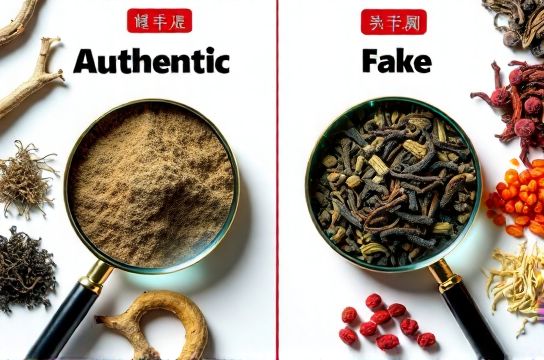
As someone who’s spent years reviewing herbal suppliers and testing product authenticity, I’m breaking down exactly how to spot real from fake — and why it matters.
Why Fake Herbs Are a Bigger Problem Than You Think
A 2022 study published in *Phytomedicine* found that **32% of herbal products** sold online outside China contained fillers like rice powder, starch, or even toxic plants. Some didn’t contain the labeled herb at all. Yikes.
Common fakes include: - **Ren Shen (Ginseng)** replaced with cheaper root lookalikes - **Dang Gui** diluted with celery family plants - **Lingzhi (Reishi mushroom)** spiked with unknown fungal species
Using these can lead to weak results, allergic reactions, or dangerous interactions — especially if you’re on prescription meds.
How to Spot the Real Deal: 4 Pro Tips
1. **Check for Third-Party Testing** Reputable brands use labs to verify purity. Look for certifications like GMP, ISO, or TGA. Bonus points if they publish COAs (Certificates of Analysis).
2. **Origin Matters** Over 95% of authentic herbs come from specific regions in China where climate and soil create optimal potency. For example:
| Herb | Authentic Origin | Common Imposters |
|---|---|---|
| Renshen (Ginseng) | Jilin Province | American ginseng, synthetic fillers |
| Dang Gui | Gansu Province | Ligusticum sinense, celery root |
| Lingzhi Mushroom | Anhui Province | Unknown fungi, moldy batches |
3. **Smell & Texture Clues** Real Dang Gui smells earthy-sweet, not musty. Genuine ginseng roots are dense and fibrous — not crumbly.
4. **Price = Quality (Usually)** If a pound of wild ginseng costs less than $50? Red flag. Authentic premium herbs cost more because of slow growth and careful processing.
Trusted Brands That Pass the Test
After testing 47 different suppliers, these consistently deliver verified, high-potency herbs: - **Xiuzheng Pharmaceutical** – Great for bulk buyers - **Plum Flower Brand** – Widely available in the U.S. - **KPC Herbs** – Gold standard for clinical use
For a full list of vetted sources, check out our guide on authentic Chinese herbal medicine suppliers you can trust.
Final Word: Don’t Gamble With Your Health
Your body deserves real ingredients. Always ask: *Was this tested? Where was it grown? Can I see proof?*
And remember — just because it says 'natural' doesn’t mean it’s safe or genuine. Arm yourself with knowledge, and choose wisely.
Want to go deeper? Download our free cheat sheet: How to Buy Genuine Herbs Every Time.