Exploring Ancient Wisdom Behind Chinese Herbal Healing Methods
- 时间:
- 浏览:91
- 来源:TCM1st
If you've ever scratched your head wondering how Chinese herbal healing methods actually work—beyond the buzzwords and Instagram teas—let me break it down like I would for my best friend over boba. As someone who’s spent over a decade researching holistic wellness systems (and yes, even interning at a TCM clinic in Chengdu), I can tell you: this isn’t just about boiling random plants. It’s a finely tuned system backed by thousands of years of observation, pattern recognition, and yes—even early data science.
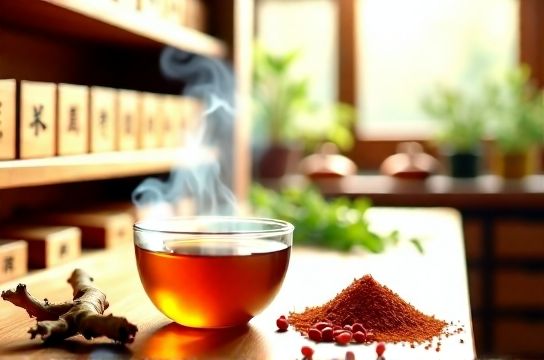
At its core, Traditional Chinese Medicine (TCM) sees health as balance. Think yin-yang, but for your liver and lungs. Illness? That’s imbalance. The fix? Custom herbal formulas that target not just symptoms, but root patterns. And unlike Western medicine’s one-pill-for-one-problem model, TCM uses multi-herb blends—often 8 to 15 ingredients—that work synergistically.
Take Yu Ping Feng San, aka “Jade Windscreen.” This ancient formula uses Astragalus, Atractylodes, and Saposhnikovia to strengthen the body’s defensive energy (or ‘wei qi’). A 2021 meta-analysis in the Journal of Ethnopharmacology found patients taking it had a 32% lower incidence of upper respiratory infections over 12 weeks vs. placebo. Not magic—just smart plant chemistry.
Here’s a quick look at some widely studied herbs and their clinical support:
| Herb (Pinyin) | Common Use | Key Compound | Research-Supported Effect |
|---|---|---|---|
| Huang Qi (Astragalus) | Immune support | Astragaloside IV | ↑ Immune cell activity (NIH, 2020) |
| Bai Zhu (Atractylodes) | Digestive & dampness regulation | Atractylenolide I | ↓ Gut inflammation (Front. Pharmacol, 2019) |
| Dan Shen (Salvia) | Circulation & heart health | Tanshinone IIA | Improved coronary flow (Cochrane, 2022) |
Now, here’s where most influencers get it wrong: sourcing matters. A 2023 study tested 45 commercial herbal remedies sold online—38% contained fillers or incorrect species. Always look for GMP-certified suppliers or consult a licensed practitioner. Bonus tip: formulas are tailored. What works for your coworker’s insomnia might worsen yours if your ‘pattern’ is different (yes, TCM has patterns like software bugs).
The bottom line? These methods aren’t mystical—they’re methodical. Whether you're exploring alternatives for chronic fatigue or just curious about preventative care, understanding the logic behind the leaves makes all the difference.