Quality Check: How to Spot Fake Chinese Medicinal Herbs
- 时间:
- 浏览:132
- 来源:TCM1st
Let’s be real — with the boom in natural health trends, Chinese medicinal herbs are hotter than ever. But here's the catch: not everything labeled as 'authentic' actually is. In fact, studies by the American Botanical Council show that up to 30% of herbal products on global markets contain fillers or substitutes. Yikes.
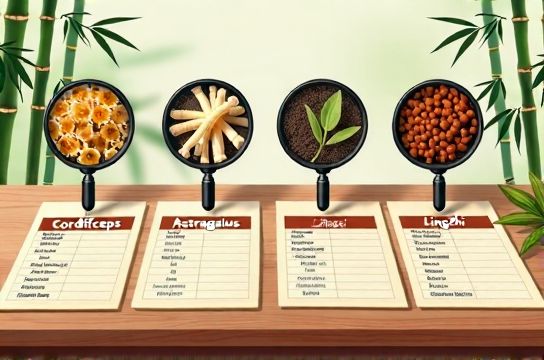
As someone who’s spent over a decade sourcing herbs from farms in Yunnan to suppliers in Beijing, I’ve seen the good, the bad, and the downright sketchy. So if you’re serious about your wellness game, here’s how to spot fakes like a pro.
1. Smell, Touch, Look — Your Senses Don’t Lie
Genuine herbs have distinct aromas. Take Astragalus, for example. Real root smells sweet and earthy. If it’s odorless or chemical-smelling? Red flag. Also, check texture. Authentic Dang Gui (Angelica sinensis) is oily to the touch and deep brown inside. Pale or dry? Likely old stock or fake.
2. Watch Out for Common Imposters
Some dishonest sellers swap premium herbs with cheaper look-alikes. Here’s a quick breakdown:
| Real Herb | Common Fake | How to Tell |
|---|---|---|
| Ganoderma lucidum (Lingzhi) | Poria cocos | Lingzhi has a shiny red cap; Poria is white and chalky |
| Cordyceps sinensis | Starch molds or caterpillar-free versions | Real Cordyceps has a clear insect body + grass part; fake ones are uniform |
| Reishi Mushroom | Pressed powder tablets | Whole mushrooms should break unevenly; tablets dissolve too easily |
3. Lab Tests Beat Guesswork
Don’t just trust labels. Reputable brands provide third-party chromatography tests (like HPLC) confirming purity. A 2022 study in Phytochemistry Analysis found that only 41% of online Chinese medicinal herbs passed authenticity screening. Always ask for a Certificate of Analysis (CoA).
4. Source Matters — Know Your Supplier
Herbs from GMP-certified facilities in China or those audited by NSF or USP are safer bets. Bonus points if they grow their own — vertical integration reduces fraud risk. I personally avoid random Amazon sellers offering "wild-crafted Cordyceps" at half the market price. If it sounds too good to be true… it is.
5. Price = Quality (Usually)
Real Cordyceps costs $1,500–$3,000 per kilo. So a $50 bag? Yeah… not happening. Here’s a rough price guide:
- Astragalus root: $20–$40 / lb (bulk, dried)
- Dang Gui: $30–$50 / lb
- Wild Cordyceps: $1,500+ / kg
If you're investing in your health, don’t cut corners. For more tips on choosing authentic remedies, check our full guide to herbal quality control.