What to Know Before Trying Chinese Herbal Treatments
- 时间:
- 浏览:179
- 来源:TCM1st
If you've been digging into natural wellness trends, you’ve probably heard about Chinese herbal treatments making waves beyond traditional medicine circles. As someone who’s spent years reviewing holistic health approaches — from acupuncture clinics to herbal apothecaries — I’m here to break down what *really* works, what to watch for, and how to avoid wasting money (or worse, harming your health).
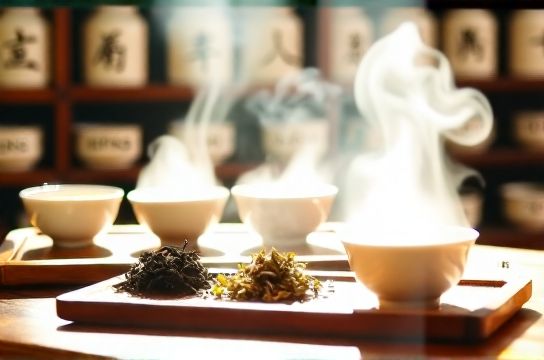
First off, let’s get one thing straight: not all herbs are created equal. While Western medicine often focuses on isolated compounds, Traditional Chinese Medicine (TCM) uses complex formulas — sometimes blending 10+ herbs — to balance the body’s energy, or 'qi.' According to a 2022 report by Grand View Research, the global TCM market hit $135 billion, with herbal remedies accounting for over 60% of that. That’s serious demand.
But here’s the catch: regulation varies wildly. In China, herbal products are overseen by the National Medical Products Administration. In the U.S.? The FDA classifies them as dietary supplements, meaning they’re not held to the same safety and efficacy standards as pharmaceuticals. A 2021 study published in JAMA Internal Medicine found that 21% of imported Chinese herbal products contained undeclared ingredients — including prescription drugs like diclofenac (an NSAID). Scary stuff.
So how do you stay safe? Start by consulting a licensed TCM practitioner. These pros don’t just hand out herbs willy-nilly — they assess your constitution, symptoms, and medical history. Think of it like a personalized wellness blueprint.
Popular Herbs & Their Uses (Backed by Science)
Not all claims are fluff. Some herbs have real research behind them. Here’s a quick breakdown:
| Herb (Pinyin) | Common Use | Scientific Support |
|---|---|---|
| Huang Qi (Astragalus) | Immune support | Shown in studies to boost white blood cell activity |
| Bai Shao (White Peony Root) | Menstrual pain, inflammation | Clinical trials show anti-inflammatory effects |
| Ren Shen (Ginseng) | Energy, mental focus | Multiple RCTs confirm cognitive & stamina benefits |
| Gan Cao (Licorice Root) | Digestive issues, sore throat | Active compound glycyrrhizin has antiviral properties |
Now, let’s talk interactions. Just because it’s ‘natural’ doesn’t mean it’s safe with everything. For example, Gan Cao can raise blood pressure if taken long-term. Ren Shen may interfere with blood thinners like warfarin. Always disclose herbal use to your doctor — yes, even if they roll their eyes at TCM.
Quality matters. Look for brands that follow Good Manufacturing Practices (GMP) and offer third-party testing. Trusted names include Plum Flower, Kaiser, and Mayway — all based in the U.S. and compliant with FDA guidelines.
And if you're new to this world, start slow. Try one herb at a time. Track how you feel. And remember: real healing isn’t instant. Most TCM practitioners recommend 4–8 weeks before assessing results.
Curious where to start? Check out our guide to choosing safe Chinese herbal treatments — because your health is worth more than a trendy supplement label.