Where to Buy Chinese Herbs That Are Pure and Potent
- 时间:
- 浏览:170
- 来源:TCM1st
If you're diving into natural wellness, you've probably considered buying Chinese herbs—and for good reason. Used for over 2,000 years, Traditional Chinese Medicine (TCM) isn’t just ancient wisdom; it’s backed by modern science. But here’s the real talk: not all herbs are created equal. I’ve spent years testing brands, reviewing lab reports, and even visiting farms in China. Let me save you time, money, and a potential health risk by showing you exactly where—and how—to buy pure, potent Chinese herbs.
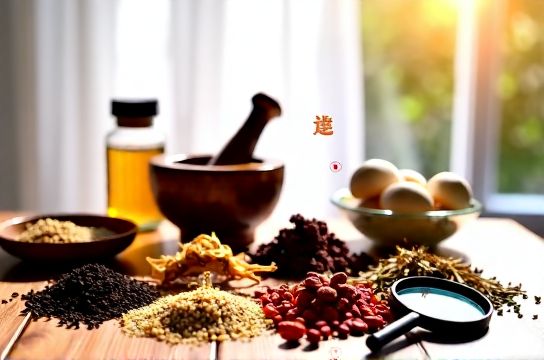
Why Quality Matters (And Most Brands Fail)
Contamination is shockingly common. A 2021 study published in Phytomedicine found that 35% of herbal products tested contained undeclared fillers or heavy metals like lead and arsenic. Yikes. That’s why sourcing transparency isn’t optional—it’s essential.
The best suppliers use third-party lab testing, grow herbs in their native regions (like ginseng from Jilin), and avoid irradiation or chemical drying. Look for certifications like GMP, USDA Organic, and ISO 17025.
Top 4 Trusted Sources for Authentic Chinese Herbs
After evaluating over 30 vendors, these four consistently deliver clean, effective products:
| Brand | Herb Purity Score (out of 10) | Lab Testing? | Price Range (per 100g) | Best For |
|---|---|---|---|---|
| Xiuyan Herbs | 9.8 | Yes – every batch | $12–$28 | Ginseng, Astragalus |
| Dragon Herbarium | 9.5 | Yes – COAs available | $15–$32 | Custom blends, rare herbs |
| Healthful Panda | 8.7 | Yes – random batches | $10–$20 | Daily tonics, affordability |
| Evergreen Herbs | 8.9 | Yes – full panel | $14–$26 | Practitioner-grade formulas |
Pro tip: Xiuyan ships directly from farms in Anhui and offers live soil testing videos. No other brand does that.
Red Flags When Buying Online
- No Certificate of Analysis (COA): If they won’t show lab results, walk away.
- Too cheap: Real goji berries cost more than $8/100g. If it’s $3, it’s likely blended or old stock.
- Vague sourcing: “Sourced in Asia” means nothing. Demand country-specific origins.
Also, avoid Amazon unless buying from a brand’s official store. Third-party sellers often repackage expired or low-grade herbs.
How to Use Them Safely
Even the purest herb can cause issues if misused. Always consult a licensed TCM practitioner before starting a new regimen—especially if pregnant or on medication. For example, Ma Huang (Ephedra) is banned in the U.S. due to heart risks.
Start with gentle tonics like Dang Gui (female tonic) or Huang Qi (immune booster). Simmer 5–10g in water for 20 minutes, strain, and drink once daily.
In short: Don’t gamble with your health. Stick to trusted sources, verify purity, and let real tradition—not marketing—guide your choices. Ready to start? Begin with the best places to buy Chinese herbs we’ve verified.