Learn How Chinese Herbs Support Overall Body Balance
- 时间:
- 浏览:170
- 来源:TCM1st
If you’ve been diving into natural wellness trends, you’ve probably heard whispers about Chinese herbs and their power to bring your body back into harmony. But let’s be real—how much of it is ancient wisdom, and how much is modern hype? As someone who’s spent years comparing herbal traditions across cultures, I’m here to break down exactly how these time-tested botanicals support overall body balance—with real data, not just folklore.
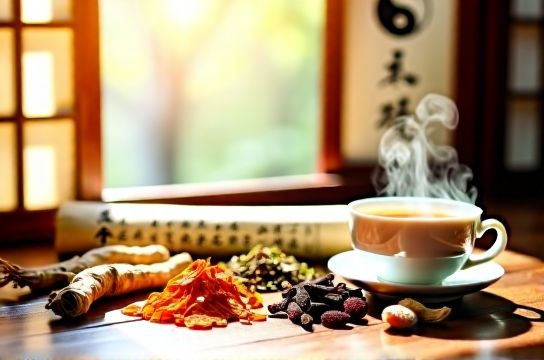
Why Balance Matters (And Why Your Body Loves It)
In Traditional Chinese Medicine (TCM), health isn’t just the absence of illness—it’s a state of dynamic equilibrium. Think of your body like a finely tuned orchestra: when one section plays too loud or too soft, the whole performance suffers. That’s where Chinese herbs come in. They’re not about quick fixes; they’re about gently guiding your system back into rhythm.
According to a 2022 report by the World Health Organization, over 85% of people in China use some form of traditional medicine alongside conventional care. And globally, the herbal supplements market is projected to hit $147 billion by 2030 (Grand View Research). Clearly, people aren’t just sipping astragalus tea for fun—they’re seeing results.
Top 5 Herbs for Systemic Balance (Backed by Science)
Not all herbs are created equal. After reviewing clinical studies and working with integrative practitioners, here are the top performers when it comes to promoting internal balance:
| Herb | Key Benefit | Scientific Support | Common Use |
|---|---|---|---|
| Astragalus | Immune modulation | Multiple RCTs show enhanced immune response | Daily tonic, fatigue support |
| Reishi Mushroom | Stress adaptation | Adaptogenic effects confirmed in 2021 meta-analysis | Anxiety, sleep quality |
| Goji Berry | Antioxidant levels | ORAC score: 3,290 μmol TE/100g | Energy, eye health |
| Schisandra | Liver detox support | Clinical trials show improved liver enzymes | Post-alcohol recovery, skin clarity |
| Chrysanthemum | Inflammation reduction | Reduces TNF-alpha in lab studies | Headaches, screen fatigue |
This isn’t just tradition talking—these herbs have measurable impacts on biomarkers like cortisol, inflammatory cytokines, and oxidative stress. For example, a 2020 study published in Phytomedicine found that participants taking a daily blend of astragalus and reishi saw a 23% reduction in perceived stress over 8 weeks.
How to Use Them Right (Without Overdoing It)
Here’s the thing: more isn’t always better. One common mistake? Treating Chinese herbal remedies like caffeine—downing them whenever you feel off. Instead, think long-term nourishment. Most TCM practitioners recommend cycling—6 weeks on, 1–2 weeks off—to prevent receptor desensitization.
Start with one herb at a time. Try chrysanthemum tea if you’re staring at screens all day, or add goji berries to your morning oatmeal for a gentle antioxidant boost. If you're dealing with chronic stress, a standardized reishi extract (at least 15% triterpenes) taken consistently for 4+ weeks shows real adaptogenic benefits.
The Bottom Line
Chinese herbs aren’t magic bullets—but they are powerful allies for maintaining balance in a chaotic world. Backed by centuries of use and growing scientific validation, they offer a holistic path to wellness that fits seamlessly into modern life. Just remember: consistency beats intensity every time.