Step-by-Step Guide to Using Chinese Herbs Safely at Home
- 时间:
- 浏览:177
- 来源:TCM1st
So you’ve heard about the amazing benefits of Chinese herbs—maybe from a friend, your acupuncturist, or that wellness influencer you follow. But let’s be real: diving into herbal medicine on your own can feel like wandering through a maze blindfolded. Don’t worry—I’ve been there, made the mistakes, and now I’m here to guide you through using Chinese herbs safely at home, step by step.
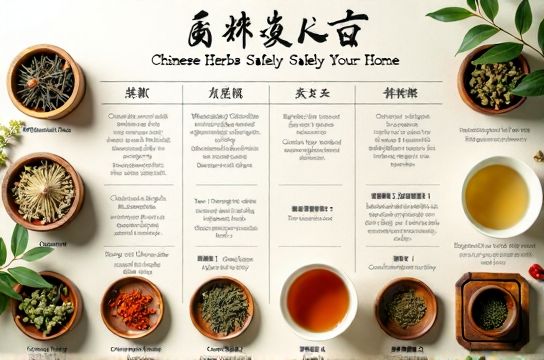
Why Trust Chinese Herbal Medicine?
With over 3,000 years of recorded use, Traditional Chinese Medicine (TCM) isn’t just ancient folklore—it’s a refined system backed by centuries of observation and practice. According to a 2021 report by the World Health Organization, over 1 billion people globally have accessed TCM treatments. And unlike many Western supplements, Chinese herbs are typically used in synergistic formulas, not isolation, which reduces side effects and boosts effectiveness.
Step 1: Know Your Body Type (Not Just Symptoms)
Here’s the game-changer: TCM doesn’t treat headaches or fatigue the same way for everyone. Instead, it looks at your unique pattern—like whether you’re more yin-deficient or spleen-weak. For example:
| Pattern | Common Signs | Common Herbs |
|---|---|---|
| Qi Deficiency | Fatigue, weak voice, shortness of breath | Astragalus (Huang Qi), Ginseng (Ren Shen) |
| Yin Deficiency | Hot flashes, night sweats, dry throat | Rehmannia (Shu Di Huang), Ophiopogon (Mai Dong) |
| Spleen Qi Deficiency | Poor digestion, bloating, loose stools | Atractylodes (Bai Zhu), Licorice (Gan Cao) |
See? It’s not one-size-fits-all. That’s why randomly grabbing astragalus because “it boosts immunity” might backfire if you actually have excess heat.
Step 2: Source Smart – Quality Matters Big Time
Not all herbs are created equal. A 2020 study published in Phytomedicine found that 28% of herbal products tested had contaminants or didn’t match labeled ingredients. Stick with brands that offer third-party testing and transparent sourcing.
- Look for: GMP certification, COAs (Certificates of Analysis)
- Avoid: Super cheap bulk powders from unknown vendors
- Top picks: Plum Flower, Kaiser, and Mayway (trusted by pros)
Step 3: Start Low, Go Slow
Begin with simple, well-known formulas. One of my go-tos for mild fatigue? Si Jun Zi Tang (Four Gentlemen Decoction). It’s gentle, supports digestion, and builds Qi without overheating.
Take half the recommended dose for 3–5 days. Watch how you feel. If no issues, gradually increase. This isn’t fast food medicine—it’s slow healing.
Step 4: Watch for Red Flags
Even natural doesn’t mean risk-free. Some herbs interact with medications (e.g., licorice and blood pressure drugs). Always check with your doctor if you’re pregnant, on meds, or managing a chronic condition.
And remember: if an herb causes jitters, rashes, or digestive upset, stop immediately. Your body’s talking—listen.
Final Tip: When in Doubt, See a Pro
While home use is great for maintenance, complex issues need a licensed practitioner. Think of it like DIY oil changes vs. engine repair. You can handle basics, but deep imbalances need expert eyes.
Ready to explore safely? Start with understanding your pattern and choosing quality herbal remedies. Your journey to natural wellness begins now.