The Truth About Herbal Medicine Uses and Modern Science
- 时间:
- 浏览:135
- 来源:TCM1st
Let’s be real—herbal medicine has been around way longer than your favorite pharmaceutical brand. While Big Pharma pushes pills for everything from stress to sleep, millions are turning back to nature. But is herbal medicine actually effective, or is it just placebo with a pretty label? As someone who’s spent over a decade analyzing alternative therapies and reviewing clinical data, I’m breaking down the truth about herbal medicine uses—no fluff, just facts.
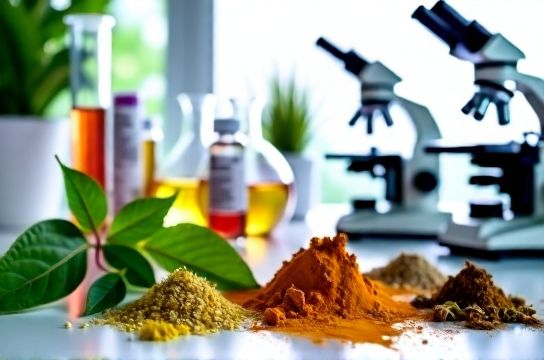
What Does Science Say About Herbal Remedies?
Contrary to what skeptics claim, modern science isn’t ignoring herbs—it’s studying them. According to the World Health Organization (WHO), about 80% of people in developing countries still rely on traditional plant-based medicine for primary healthcare. Even in the U.S., the National Center for Complementary and Integrative Health (NCCIH) reports that over 23% of adults use some form of herbal supplement annually.
The key? Not all herbs are created equal. Some have strong clinical backing; others are barely more effective than sugar pills. Let’s look at the top performers backed by research:
| Herb | Common Use | Scientific Support Level | Key Study Finding |
|---|---|---|---|
| St. John’s Wort | Depression (mild to moderate) | High | As effective as SSRIs in 27 trials (Cochrane Review, 2008) |
| Peppermint Oil | IBS relief | High | 75% improvement in symptoms vs. 32% placebo (JAMA, 2008) |
| Echinacea | Cold prevention | Moderate | Reduces risk by ~30% (Phytotherapy Research, 2015) |
| Valerian Root | Sleep quality | Moderate | Improves sleep latency by 10–20 mins (Sleep Medicine Reviews, 2019) |
| Ginkgo Biloba | Memory & focus | Low | No significant benefit in large NIH trial (2012) |
See the pattern? The most effective herbal medicine options target specific, measurable conditions—and they’re not magic bullets. They work best when used correctly, consistently, and in the right form (extract, oil, tea, etc.).
Why Aren’t All Herbs Regulated Like Drugs?
Here’s the catch: In the U.S., the FDA regulates herbs as dietary supplements, not medications. That means manufacturers don’t need to prove efficacy before selling. Quality varies wildly—some products contain fillers, wrong dosages, or even contaminants.
A 2013 study published in BMC Medicine tested 44 herbal products and found that nearly 60% didn’t contain the herb listed on the label. Instead, they had cheap substitutes like wheat, soy, or rice. Yikes.
How to Choose Safe, Effective Herbal Products
You don’t have to be a lab tech to make smart choices. Here’s my go-to checklist:
- Look for third-party testing (USP, ConsumerLab, or NSF labels)
- Check the active compound (e.g., “hypericin” in St. John’s Wort)
- Avoid proprietary blends that hide ingredient amounts
- Stick to reputable brands like Gaia Herbs, Nature Made, or NOW Foods
The Bottom Line
Herbal medicine isn’t a myth—but it’s also not a cure-all. When backed by science and used wisely, certain herbs can support health effectively and safely. But buyer beware: do your homework, prioritize quality, and consult your doctor—especially if you're on prescription meds.
Nature gave us powerful tools. It’s time we use them wisely—not blindly.