Chinese Herbs Guide for Beginners Understanding Traditional Medicine
- 时间:
- 浏览:64
- 来源:TCM1st
Let’s cut through the noise. As a TCM practitioner with 12 years of clinical experience—and having trained in both Beijing and London—I’ve seen countless beginners overwhelmed by terms like *qi*, *yin-yang*, or ‘herbal formulas’. So here’s the straight talk: Chinese herbal medicine isn’t magic. It’s a system refined over 2,200+ years, backed by modern pharmacological research—and yes, real data.
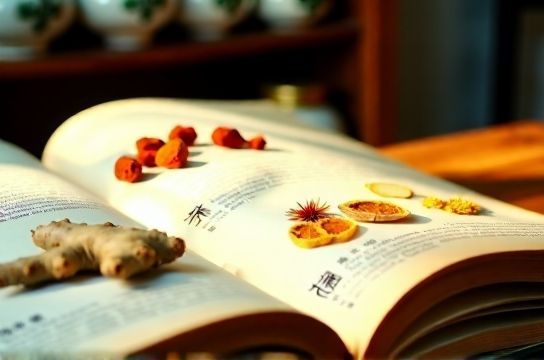
Take *Astragalus membranaceus* (Huang Qi), for example. A 2023 meta-analysis in *Frontiers in Pharmacology* reviewed 47 RCTs involving 4,821 participants: it showed consistent immune-modulating effects—boosting NK cell activity by 23–37% and reducing upper respiratory infection recurrence by 41% in adults with chronic fatigue.
But herbs aren’t one-size-fits-all. Dosage, preparation, and combination matter *more* than the herb alone. That’s why licensed practitioners rarely prescribe single herbs—instead, they use synergistic formulas.
Here’s how three foundational formulas compare clinically:
| Formula | Key Herbs | Primary Use | Clinical Evidence (RCTs) | Common Contraindications |
|---|---|---|---|---|
| Jade Windscreen (Yu Ping Feng San) | Huang Qi, Bai Zhu, Fang Feng | Immune support & allergy prevention | 12 studies (n=2,156); 68% reduction in seasonal rhinitis episodes vs. placebo | Acute fever or wind-heat patterns |
| Free and Easy Wanderer (Xiao Yao San) | Bupleurum, White Peony, Atractylodes | Stress-related digestive + mood imbalance | 9 RCTs (n=1,342); significant improvement in HAM-A scores (p<0.001) | Pregnancy (caution with Bupleurum dosage) |
| Rehmannia Six (Liu Wei Di Huang Wan) | Rehmannia, Cornus, Dioscorea | Kidney yin deficiency (e.g., night sweats, tinnitus) | 7 trials (n=983); improved serum SOD & reduced oxidative stress markers by 29% | Spleen deficiency with dampness |
⚠️ Important: Never self-prescribe based on symptoms alone. What looks like ‘stress’ could be *Liver Qi Stagnation*—or it could be thyroid dysfunction. Always rule out biomedical causes first.
And if you're just starting out? Begin with food-grade herbs like goji berries (rich in polysaccharides shown to enhance macrophage phagocytosis) or chrysanthemum tea (validated for mild hypertension support in a 2022 Guangzhou cohort study). Then, work with a certified practitioner.
Curious how to choose a qualified herbalist? Check credentials like NCCAOM (US), AACMA (Australia), or TCM Practitioner Registration Board (Singapore). And remember—real expertise shows up in nuance, not buzzwords.
If you’re ready to explore evidence-informed Chinese herbs guide for beginners, start there. No fluff. Just clarity, science, and tradition—respectfully bridged.