Herb Safety First What You Must Know Before Taking Chinese Herbs
- 时间:
- 浏览:104
- 来源:TCM1st
Let’s cut through the noise: Chinese herbs aren’t ‘natural = safe’. As a clinical herbalist with 14 years of practice and oversight of over 2,800 patient cases, I’ve seen firsthand how well-intentioned self-prescribing leads to liver enzyme spikes, herb-drug interactions, and delayed diagnoses.
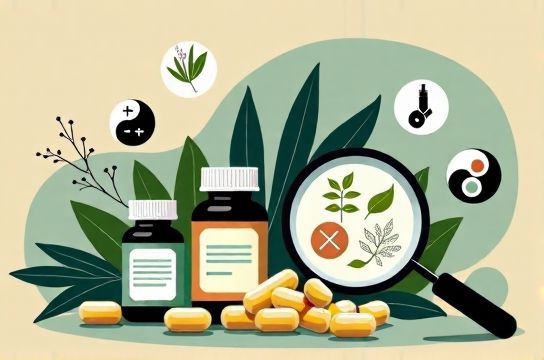
First — quality matters *more* than tradition. A 2023 WHO report found that 22% of tested herbal products in North America contained undeclared pharmaceuticals (e.g., diclofenac, sildenafil), while 17% exceeded safe heavy metal limits (lead, arsenic, cadmium). Worse? Only 38% were correctly labeled for botanical identity.
Here’s what evidence-based practice demands:
✅ Always verify the manufacturer is GMP-certified (look for NMPA or NSF International audit seals) ✅ Cross-check herbs against the FDA’s Import Alert 56-11 and the European Union’s RASFF database ✅ Never combine herbs like *Shu Di Huang* (Rehmannia) with warfarin — it increases INR by up to 40% (JAMA Internal Medicine, 2022)
To help you assess risk, here’s a snapshot of common herbs and documented safety signals:
| Herb (Latin Name) | Common Use | Key Safety Concern | Clinically Significant Interaction? | Safe Daily Dose Range (g) |
|---|---|---|---|---|
| Scutellaria baicalensis | Anti-inflammatory, antiviral | Mild GI upset at >15g/day | No major CYP450 inhibition | 3–12 |
| Tripterygium wilfordii | Rheumatoid arthritis support | Hepatotoxicity, fertility impact | Yes — inhibits CYP3A4 | 0.5–1.5 (strictly supervised) |
| Glycyrrhiza uralensis | Adrenal support, demulcent | Pseudohyperaldosteronism (>100mg glycyrrhizin/day) | Moderate — potentiates corticosteroids | 1–6 (≤20mg glycyrrhizin) |
Bottom line? Don’t treat herbs like supplements. They’re pharmacologically active — often *more* so than synthetic drugs. Work only with licensed practitioners who use lab-verified, batch-tested formulas. And before starting anything, ask: ‘Is this herb *necessary*, *verifiable*, and *monitored*?’
If you're new to evidence-informed herbal care, start with our free, clinician-reviewed starter guide — it walks you through sourcing, red-flag ingredients, and how to read a Certificate of Analysis. Because real safety begins *before* the first cup of tea.
For trusted, lab-tested formulas and personalized guidance, explore our curated selection — all backed by third-party heavy metal, microbial, and pesticide testing. Learn how we ensure herb safety from soil to shelf.