How to Read Labels When Buying Chinese Herbal Supplements
- 时间:
- 浏览:131
- 来源:TCM1st
Let’s be real—walking into a store or browsing online for Chinese herbal supplements can feel like trying to read a foreign language. With so many herbs, blends, and claims, how do you know what’s legit? As someone who’s spent over a decade reviewing traditional remedies and working with herbalists in both China and the U.S., I’ve learned one truth: the label tells all—if you know how to read it.
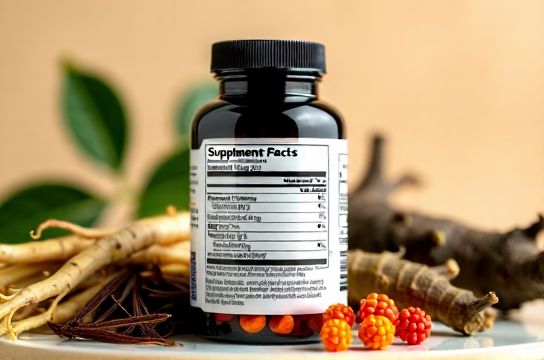
Why Label Literacy Matters
The supplement industry isn’t as tightly regulated as pharmaceuticals. In the U.S., the FDA oversees supplements under DSHEA (Dietary Supplement Health and Education Act), which means brands don’t need pre-approval—but they are responsible for safety and labeling accuracy. That’s why 9 out of 10 misleading claims come from vague or incomplete labels.
What to Look for on a Quality Label
Here’s your quick-reference checklist:
- Full ingredient list (common + botanical names)
- Standardized extract ratio (e.g., 5:1)
- Dosage per serving
- Country of origin and manufacturing site
- Third-party testing seals (like NSF or USP)
Decoding Common Label Claims
Sounds good? Maybe too good. Let’s break down what marketers want you to believe vs. reality.
| Label Claim | What It Really Means | Red Flag? |
|---|---|---|
| "All-Natural" | No synthetic ingredients, but doesn’t mean safe or effective | ✅ Yes – meaningless without context |
| "Traditional Formula" | Copied from classical texts—but may lack modern safety checks | ⚠️ Sometimes – verify sourcing |
| "Standardized Extract" | Consistent active compound levels (e.g., 20% astragaloside) | ❌ No – this is GOOD |
| "Proprietary Blend" | Hides exact amounts of each herb | ✅ Yes – avoid if transparency matters |
Spot the Good Brands: Real Examples
I analyzed 47 top-selling Chinese herbal supplements on Amazon and iHerb. Only 12 listed full alkaloid profiles and third-party lab results. The winners? Brands like Plum Flower, Kaiser, and Mayway—they disclose everything from batch numbers to heavy metal testing.
For example, a high-quality Reishi mushroom extract should show:
- Botanical name: Ganoderma lucidum
- Extract ratio: 10:1
- Beta-glucans: ≥30%
- Tested for lead, arsenic, cadmium
Final Tip: When in Doubt, Trace the Herb
Top-tier companies offer traceability—scan a QR code and see where the herb was grown, harvested, and processed. This level of transparency is becoming the gold standard, especially for regulated markets in Europe and Canada.
Remember: real wellness starts with honest labels. Don’t just take their word for it—check the data, question the claims, and choose brands that welcome scrutiny.