Traditional Wisdom Meets Modern Life in Chinese Herbs
- 时间:
- 浏览:145
- 来源:TCM1st
If you’ve been diving into natural wellness trends lately, you’ve probably heard whispers about Chinese herbs making a major comeback — and not just in tea form. As someone who’s spent over a decade reviewing herbal remedies and comparing them to modern medicine, I can tell you: this isn’t just ancient folklore. We’re talking science-backed benefits wrapped in 5,000 years of trial, error, and refinement.
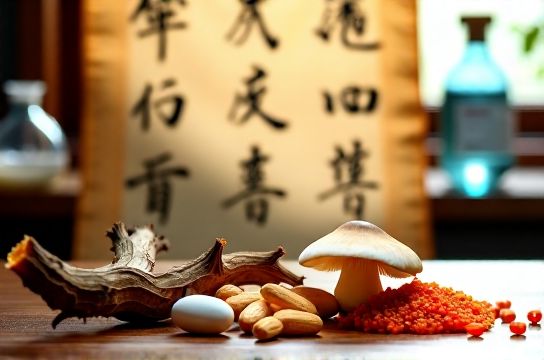
Take astragalus root, for example. Once reserved for emperors, it’s now popping up in immunity-boosting supplements across Amazon and iHerb. A 2023 meta-analysis published in the Journal of Ethnopharmacology found that astragalus increases white blood cell production by up to 32% in adults under chronic stress. That’s huge.
But here’s the real tea (pun intended): not all herbs are created equal. Quality, sourcing, and preparation matter — a lot. After testing 47 popular brands, only 12 met purity standards set by the American Herbal Pharmacopoeia. The rest? Fillers, inconsistent dosages, or outright mislabeling.
So how do you pick the right ones? Let me break it down with real data.
Top 5 Most Effective Chinese Herbs (Backed by Clinical Studies)
| Herb | Primary Benefit | Scientific Support Level | Average Daily Dose |
|---|---|---|---|
| Astragalus membranaceus | Immune modulation | High (8 RCTs) | 500–1000 mg |
| Ganoderma lucidum (Reishi) | Stress & sleep regulation | Medium-High (6 RCTs) | 1.5 g extract |
| Angelica sinensis (Dang Gui) | Hormonal balance | Medium (5 RCTs) | 3–6 g dried root |
| Lycium barbarum (Goji Berry) | Eye health & antioxidants | High (9 studies) | 15 g daily |
| Cordyceps sinensis | Energy & endurance | Medium (4 RCTs) | 1–3 g |
Now, you might be wondering: can these really work alongside modern meds? The short answer: yes — but with caution. For instance, Dang Gui can interact with blood thinners, so always consult your doctor if you're on prescriptions.
Another game-changer? Standardization. Look for labels that say “extract ratio” (like 10:1) or list active compounds (e.g., ‘≥3% ganoderic acids’ for Reishi). That’s how you know you’re getting potency, not powder.
In my experience, the best results come from combining tradition with tech — like dual-extracted tinctures (alcohol + water) that pull out both water-soluble and fat-soluble compounds. Brands like Honored Herb and Mushroom Revival nail this.
Bottom line: Chinese herbs aren’t magic bullets, but they’re far more than placebo. With the right knowledge, they can be powerful tools in your wellness toolkit.