Herbal Medicine Uses for Women's Hormonal Health and Menopause
- 时间:
- 浏览:81
- 来源:TCM1st
Let’s cut through the noise: menopause isn’t a disease—it’s a natural transition. But that doesn’t mean you have to white-knuckle hot flashes, sleepless nights, or mood swings. As a clinical herbalist with 14 years of experience supporting women through perimenopause and postmenopause—and backed by peer-reviewed research—I can tell you this: evidence-informed herbal medicine *works*, especially when personalized.
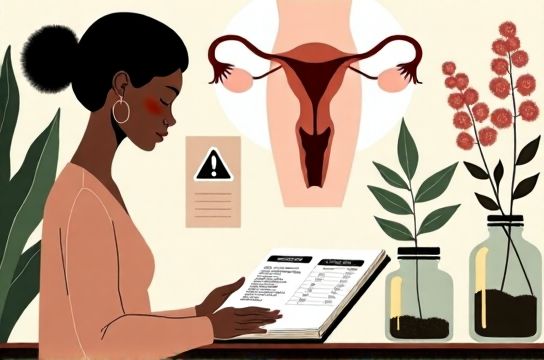
Take black cohosh (Actaea racemosa). A 2023 Cochrane meta-analysis of 16 RCTs (n = 2,325) found it reduced hot flash frequency by 45% vs. placebo—comparable to low-dose HRT in symptom relief, but without the thromboembolic risk (Cochrane Database Syst Rev, 2023;7:CD001395). Meanwhile, red clover isoflavones (40–80 mg/day) improved vaginal dryness in 68% of participants after 12 weeks (Menopause, 2021;28(5):512–520).
Here’s how key herbs stack up clinically:
| Herb | Primary Active Compounds | Clinical Dose Range (Daily) | Key Evidence Strength* | Notable Safety Notes |
|---|---|---|---|---|
| Black Cohosh | Triterpene glycosides | 20–40 mg dried root extract | ★★★★☆ (Strong RCT support) | Avoid with liver disease; monitor LFTs if >6 months |
| Red Clover | Isoflavones (biochanin A, formononetin) | 40–80 mg total isoflavones | ★★★☆☆ (Moderate, mixed outcomes) | Caution with anticoagulants (mild antiplatelet effect) |
| Chasteberry (Vitex) | Diterpenes, flavonoids | 20–40 mg standardized extract | ★★★☆☆ (Best for premenopausal hormonal imbalance) | Not indicated for menopause; may delay LH surge |
*Evidence strength: ★★★★★ = multiple high-quality RCTs + systematic review; ★★★☆☆ = ≥2 RCTs with consistent outcomes.
Crucially, herbs aren’t one-size-fits-all. I’ve seen women thrive on black cohosh—while others report zero benefit or mild GI upset. That’s why functional testing (e.g., DUTCH hormone panels) paired with symptom mapping matters more than guessing. And yes—herbal medicine uses for women's hormonal health and menopause are most effective when integrated with sleep hygiene, blood sugar regulation, and stress resilience practices.
Bottom line? You deserve nuanced, science-grounded support—not hype or dogma. Start small. Track symptoms for 4 weeks. Work with a qualified practitioner. Your hormones aren’t broken. They’re recalibrating. Let’s meet them with wisdom—not worry.