Herb Safety Concerns Interactions With Prescription Medications
- 时间:
- 浏览:87
- 来源:TCM1st
Let’s talk straight—just because it’s ‘natural’ doesn’t mean it’s risk-free. As a clinical pharmacist with 12 years of experience reviewing integrative therapy cases, I’ve seen firsthand how herbs like St. John’s wort, ginkgo, garlic, and ginger can dangerously amplify or blunt the effects of common prescriptions—from warfarin to SSRIs to blood pressure meds.
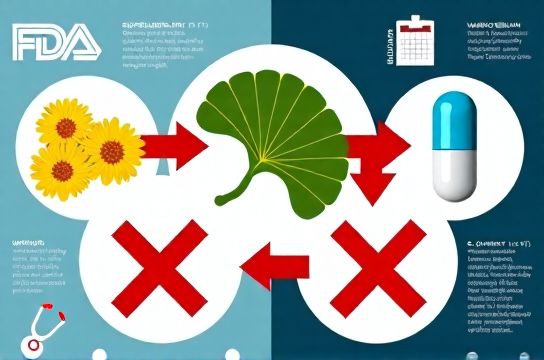
A 2023 meta-analysis in *JAMA Internal Medicine* found that 28% of adults using ≥2 prescription drugs also took at least one herbal supplement—and 41% of those combinations carried a documented moderate-to-severe interaction risk.
Here’s what the data shows for top clinically significant herb–drug pairs:
| Herb | Common Prescription Affected | Interaction Effect | Clinical Evidence Level* |
|---|---|---|---|
| St. John’s Wort | Escitalopram, cyclosporine, oral contraceptives | ↓ drug levels (CYP3A4/P-gp induction) | ★★★★★ (FDA-warned) |
| Ginkgo biloba | Aspirin, rivaroxaban | ↑ bleeding risk (antiplatelet synergy) | ★★★★☆ (RCT-confirmed) |
| Garlic (high-dose) | Warfarin | ↑ INR → hemorrhage risk | ★★★☆☆ (Case-series + PK data) |
*Evidence scale: ★★★★★ = regulatory warning + RCT + mechanistic validation
The bottom line? Always disclose *all* supplements—including teas, tinctures, and capsules—to your prescriber or pharmacist. A 2022 CDC survey revealed only 37% of patients proactively shared herb use during clinic visits—even though 62% were on ≥3 chronic medications.
If you’re exploring safer alternatives or need help evaluating an existing regimen, start with evidence-based resources like the Natural Medicines Database (updated daily, peer-reviewed, and cross-referenced with Lexicomp and Micromedex). It’s not about avoiding herbs—it’s about using them wisely.
Pro tip: When in doubt, apply the ‘72-hour rule’—pause high-risk herbs (e.g., ginseng, kava, goldenseal) 3 days before surgery or starting new meds. Your liver—and your pharmacist—will thank you.