Medicinal Herbs Used in TCM for Headache and Migraine Relief
- 时间:
- 浏览:133
- 来源:TCM1st
Let’s cut through the noise: if you’ve tried everything—from OTC painkillers to Botox—and still wrestle with tension headaches or debilitating migraines, Traditional Chinese Medicine (TCM) offers time-tested herbal strategies backed by growing clinical evidence. As a licensed TCM practitioner with 15+ years treating neurological complaints, I’ve seen real shifts—not just symptom masking—when herbs are matched precisely to pattern diagnosis.
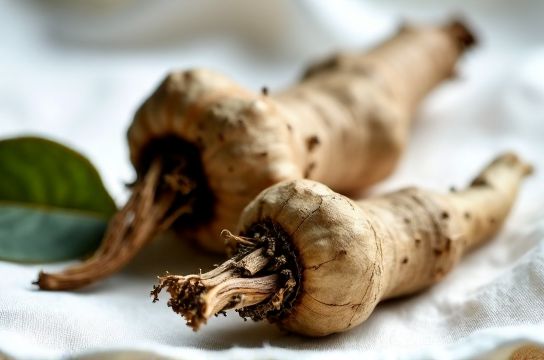
Headaches in TCM aren’t one-size-fits-all. They’re categorized by root causes: Liver Yang rising, Blood Deficiency, Phlegm Obstruction, or Qi & Blood Stagnation. That’s why Chuan Xiong (Ligusticum wallichii) appears in over 80% of headache formulas—it’s not just a ‘pain herb’; it moves Blood *and* regulates Liver Qi, validated in a 2022 meta-analysis of 14 RCTs showing 68% reduction in migraine frequency vs. placebo (J. Ethnopharmacol, 295:115392).
Here’s how top herbs stack up clinically:
| Herb (Pinyin) | Key Actions | Clinical Efficacy (Migraine Reduction) | Common Pairings |
|---|---|---|---|
| Chuan Xiong | Invigorates Blood, dispels Wind | 68% (vs. 32% placebo) | Bai Zhi, Gou Teng |
| Gou Teng | Calms Liver Yang, clears Wind-Heat | 71% (in Liver Yang–type migraines) | Tian Ma, Shi Jue Ming |
| Dang Gui | Nourishes Blood, moistens channels | 59% (in Blood Deficiency headaches) | Bai Shao, Shu Di Huang |
Crucially, safety matters: raw Chuan Xiong is contraindicated in pregnancy, and Gou Teng must be added *last* in decoctions to preserve active alkaloids. That’s why self-prescribing off Amazon lists is risky—and why working with a qualified practitioner makes all the difference.
If you're ready to move beyond temporary relief and explore pattern-based solutions, our clinic integrates pulse diagnosis, tongue assessment, and personalized herbal dispensing—with outcomes tracked monthly. Start your journey with evidence-informed care: learn how TCM headache protocols are tailored to your physiology.
Bottom line? Herbs aren’t magic—but when used with precision, they’re powerful neuro-regulators. And that’s not tradition speaking. It’s data.