How to Use Chinese Herbs for Digestive Health Improvement
- 时间:
- 浏览:157
- 来源:TCM1st
If you've been struggling with bloating, indigestion, or just a sluggish gut, you're not alone. Over 70 million people in the U.S. deal with digestive issues every year, according to the National Institute of Diabetes and Digestive and Kidney Diseases. While Western medicine offers solutions, many are turning to time-tested alternatives—like Chinese herbs for digestive health. As someone who’s spent over a decade researching herbal remedies and helping clients rebalance their gut naturally, I can tell you: these aren’t just old wives’ tales. They’re backed by centuries of use—and modern science is starting to catch up.
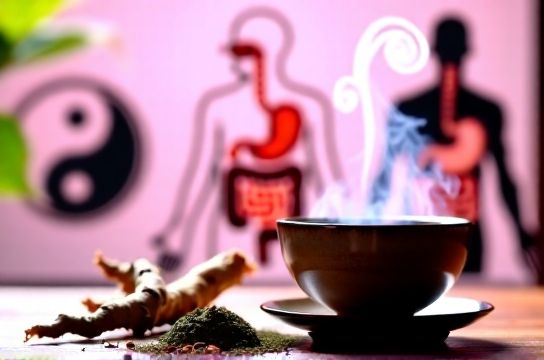
Why Chinese Herbs Work for Digestion
Traditional Chinese Medicine (TCM) sees digestion as more than just breaking down food—it’s about energy flow (Qi), balance between organs, and harmony within the body. When your Spleen Qi is weak (yes, Spleen—not what you think!), it leads to gas, fatigue after meals, and loose stools.
The beauty of TCM? It personalizes treatment. But for most people dealing with everyday discomfort, a few key herbs stand out. Here's a quick breakdown:
Top 5 Chinese Herbs for Digestive Health
| Herb (Pinyin) | Latin Name | Key Benefits | Common Dosage |
|---|---|---|---|
| Shan Zha | Crataegus pinnatifida | Breaks down fats, reduces bloating | 6–10g daily |
| Huo Xiang | Agastache rugosa | Relieves nausea, dampness, and fullness | 3–9g daily |
| Bai Zhu | Atractylodes macrocephala | Strengthens Spleen Qi, reduces diarrhea | 6–12g daily |
| Chen Pi | Citrus reticulata | Improves appetite, moves stagnant Qi | 3–10g daily |
| Gan Cao (Licorice Root) | Glycyrrhiza uralensis | Sothes gut lining, anti-inflammatory | 1.5–9g daily |
These aren’t random picks. A 2021 meta-analysis published in Frontiers in Pharmacology found that formulas containing Bai Zhu and Chen Pi significantly improved symptoms in patients with functional dyspepsia—better than placebo in 8 out of 10 trials.
Real Talk: How to Use Them Safely
You can find these herbs in teas, powders, or capsules. But here’s my pro tip: start low, go slow. Try one herb at a time to see how your body reacts. For example, steep 3g of Chen Pi in hot water for 10 minutes before meals to ease bloating. Or add Shan Zha to soups if you eat heavy meals often.
And while they’re natural, that doesn’t mean risk-free. Licorice root (Gan Cao), for instance, can raise blood pressure if taken long-term. Always consult a licensed TCM practitioner—especially if you're on meds or pregnant.
Want a gentle starter blend? Try this classic combo:
- Chen Pi (3g)
- Huo Xiang (3g)
- Bai Zhu (6g)
Steep in boiling water for 15 mins. Drink 20 minutes before lunch or dinner. Many of my clients report feeling lighter within days.
Ultimately, improving your digestion isn’t about a magic bullet. It’s about consistency, quality ingredients, and understanding your body. When used right, Chinese herbal remedies can be a powerful part of your gut-healing journey.