What to Ask Before You Buy Chinese Herbs Online
- 时间:
- 浏览:134
- 来源:TCM1st
So you're thinking about buying Chinese herbs online? Smart move — convenience, variety, and often better pricing. But hold up: not all herbal shops are created equal. As someone who’s spent over a decade diving into traditional Chinese medicine (TCM) and reviewing e-commerce players in this space, I’ve seen the good, the bad, and the *downright sketchy*. Let me save you time, money, and possibly your health with these must-ask questions before hitting that 'Buy Now' button.
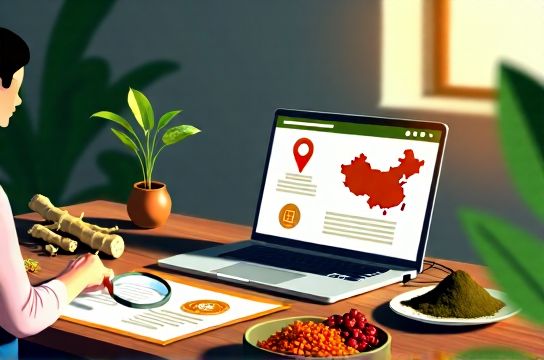
1. Where Are These Herbs Sourced From?
This is step one. Over 80% of global herbal supply passes through China, but that doesn’t mean quality is guaranteed. Reputable brands disclose their sourcing — like farms in Jilin for ginseng or Yunnan for astragalus. Look for companies that partner with GACP (Good Agricultural and Collection Practices)-certified growers.
2. Is There Third-Party Testing?
No ifs, ands, or 'trust me bros.' Real transparency means lab reports. Heavy metals, pesticides, microbial contamination — these aren’t rare. A 2022 study found that 1 in 5 imported herbal products failed safety screening in EU markets.
| Contaminant | Allowed Limit (ppm) | Found in Low-Quality Samples |
|---|---|---|
| Lead | 10 | Up to 42 ppm |
| Cadmium | 3 | 9.7 ppm |
| Pesticides | 0.1–1 | Detected in 23% of samples |
If a brand doesn’t publish third-party results, run. Or at least click away.
3. How Fresh Are the Herbs?
Freshness impacts potency. Unlike supplements with long shelf lives, herbs degrade. Volatile oils in Chinese angelica (Dang Gui) fade fast. Ideally, look for harvest dates or batch numbers. Some premium sellers even offer freeze-dried options to lock in active compounds.
4. Are They Selling Raw Herbs or Extracts?
Huge difference. Raw herbs give you control — you decoct them yourself. Extracts (powders, tinctures) are convenient but vary wildly in concentration. A 5:1 extract isn’t automatically stronger — sometimes it’s diluted. Check the extraction ratio and solvent used (water vs. alcohol).
5. What About Ethical & Sustainable Practices?
Endangered species like wild Dendrobium or overharvested Cordyceps sinensis are red flags. The best brands use cultivated alternatives and are transparent about conservation efforts. Bonus points if they’re part of the China Medicinal Plant Conservation Network.
Final Tip: Read Reviews — But Critically
Not all five-star reviews are real. Watch for generic language ('Great product!') or sudden spikes in ratings. Instead, dig into detailed user experiences, especially around consistency and digestion.
Buying Chinese herbs online can be safe and effective — if you ask the right questions. Don’t just shop cheap. Shop smart.