Beginner's Guide to Chinese Herbs and TCM Practices
- 时间:
- 浏览:123
- 来源:TCM1st
So you’ve heard about Chinese herbs and Traditional Chinese Medicine (TCM), and now you’re curious—maybe even a little skeptical. That’s fair. But let me tell you: after years of diving into holistic wellness, I can say with confidence that TCM isn’t just ancient folklore. It’s a system backed by centuries of observation, refinement, and yes—even modern science.
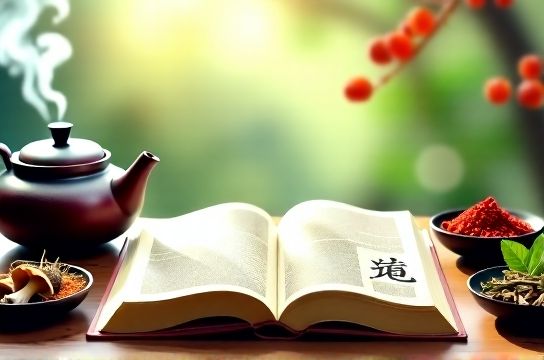
As someone who’s tested everything from acupuncture to adaptogenic herb stacks, I’m here to break down the basics without the fluff. Whether you're battling stress, digestion issues, or just chasing balance, understanding Chinese herbs could be your game-changer.
What Is TCM, Really?
Traditional Chinese Medicine isn’t just about popping herbs like supplements. It’s a holistic framework based on Qi (vital energy), Yin-Yang balance, and the Five Elements (Wood, Fire, Earth, Metal, Water). Think of your body as a garden—TCM helps you weed, water, and sunlight the right spots.
One core idea? Prevention over cure. While Western medicine often steps in when things go wrong, TCM aims to keep your system humming smoothly before problems arise.
Popular Chinese Herbs & Their Uses
You don’t need a PhD to use these herbs—but knowing what does what helps. Here’s a quick-reference table:
| Herb | Common Use | Key Active Compounds | Research-Backed Benefit |
|---|---|---|---|
| Reishi Mushroom (灵芝) | Immune support, stress relief | Triterpenes, polysaccharides | Shown to reduce fatigue and improve sleep (Zhao et al., 2012) |
| Astragalus (黄芪) | Energy, immune defense | Astragaloside IV | May enhance white blood cell activity (Chen et al., 2016) |
| Goji Berry (枸杞) | Eye health, antioxidants | Zeaxanthin, polysaccharides | Linked to improved vision and reduced oxidative stress |
| Cordyceps (冬虫夏草) | Endurance, libido | Cordycepin | Studies show improved oxygen uptake in athletes |
These aren’t miracle cures—but they’re powerful allies when used correctly. And speaking of use: quality matters. A 2020 study found up to 30% of herbal supplements had fillers or mislabeled ingredients. Stick to brands with third-party testing.
How to Start Safely
Jumping in? Start simple. Try one herb at a time—like astragalus tea for immunity—and track how you feel. Chat with a licensed TCM practitioner if possible; they’ll tailor blends based on your constitution (yes, TCM personalizes like that).
Also: talk to your doctor. Some herbs interact with medications—especially blood thinners and diabetes drugs.
The Bottom Line
TCM won’t replace your MD. But paired wisely, it can boost resilience, energy, and long-term well-being. The key? Educate yourself, source smartly, and start slow.