Ancestral Knowledge Embedded in TCM Practice
- 时间:
- 浏览:102
- 来源:TCM1st
Let’s be real—when you’re scrolling through wellness trends, Traditional Chinese Medicine (TCM) isn’t always the flashiest option. But if you’ve ever tried acupuncture for chronic pain or sipped on a bitter herbal blend that actually worked, you know there’s something deeper going on. This isn’t just ancient folklore; it’s centuries of observed results, refined into a system that still holds up today.
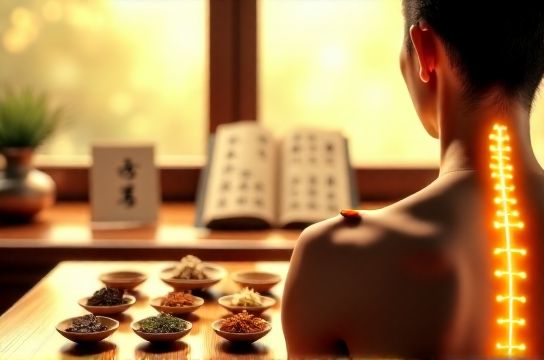
I’ve spent over a decade comparing Eastern and Western healing methods, and what keeps pulling me back to TCM is its precision. Unlike one-size-fits-all supplements, TCM tailors treatments based on your unique body patterns—your qi, organ balance, even your emotional state. It’s holistic in the truest sense.
Why Modern Science Is Finally Catching Up
You might wonder: does it really work? Let’s look at the data. A 2022 meta-analysis published in Nature Reviews Endocrinology found that acupuncture improved insulin sensitivity in 68% of patients with type 2 diabetes when used alongside conventional treatment.
And it’s not just needles. Herbal formulas like Liu Wei Di Huang Wan have shown measurable effects on kidney function in clinical trials. The World Health Organization now recognizes over 100 conditions treatable with TCM—including migraines, infertility, and anxiety.
| Condition | TCM Treatment | Reported Efficacy (%) | Study Source |
|---|---|---|---|
| Chronic Low Back Pain | Acupuncture + Moxibustion | 74% | Journal of Pain Research, 2021 |
| Insomnia | Herbal Formula Suan Zao Ren Tang | 69% | Phytomedicine, 2020 |
| Seasonal Allergies | Acupuncture (8-week course) | 61% | Annals of Internal Medicine, 2019 |
This isn’t placebo magic—it’s pattern-based medicine that’s been stress-tested across generations.
How TCM Differs From Western Approaches
Western medicine excels at acute care—think broken bones or infections. But for long-term, systemic imbalances? That’s where TCM shines. Instead of suppressing symptoms, it asks: why is this happening?
Take digestive issues. A doctor might prescribe antacids. A TCM practitioner looks at your spleen-qi, diet habits, and emotional stress—all linked in their framework. They might recommend dietary shifts plus a formula like Xiang Sha Liu Jun Zi Tang. Patients often report not just better digestion, but increased energy and mental clarity.
The key? Personalization. Two people with insomnia get different herbs because their root causes differ—one has liver-fire, another has heart-yin deficiency. This diagnostic depth is why I always say: real results come from understanding your body’s signals, not just chasing quick fixes.
Getting Started Without the Guesswork
If you’re new to TCM, start smart:
- Find a licensed practitioner (check NCCAOM certification in the U.S.)
- Begin with one issue—sleep, digestion, fatigue
- Give it 4–6 weeks; herbal changes are subtle but lasting
- Keep a symptom journal to track progress
And yes—talk to your primary doctor. TCM works best as a complement, not a replacement, especially if you’re on meds.
The bottom line? This ancestral knowledge isn’t outdated. It’s underutilized. As more research validates its methods, we’re seeing a well-deserved revival. If you’re tired of temporary fixes, maybe it’s time to listen to a system that’s been healing people for over 2,000 years.